NVIDIA GTC 2026 Keynote: Jensen Huang Showcases the Future of AI and GPUs
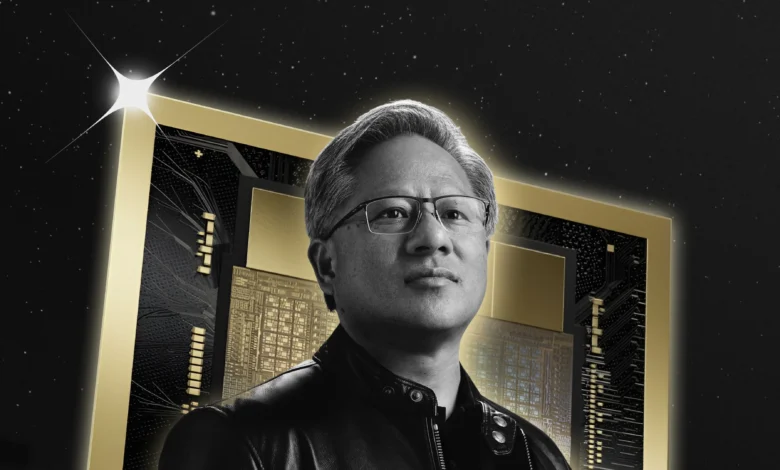
The NVIDIA GTC 2026 keynote is one of the most anticipated technology presentations of the year, drawing global attention from developers, investors, and AI researchers. During the event, NVIDIA CEO Jensen Huang takes the stage to reveal new hardware platforms, artificial intelligence technologies, and long-term strategies for accelerated computing.
Held in San Jose, California, the annual GPU Technology Conference serves as NVIDIA’s flagship event for unveiling major announcements across AI, data centers, robotics, and high-performance computing. This year’s keynote is expected to highlight next-generation chips and software platforms designed to power the next era of artificial intelligence.
With tens of thousands of attendees and millions watching online, the keynote often sets the direction for the entire AI industry.
Design and Display of the NVIDIA GTC 2026 Keynote Event
The NVIDIA GTC 2026 keynote takes place at the SAP Center in San Jose, where thousands of developers and technology leaders gather to hear Jensen Huang present the company’s latest innovations.
Key elements of the event include:
- A live keynote presentation by NVIDIA’s CEO
- Technology demonstrations of AI systems and GPUs
- Developer sessions covering machine learning and robotics
- Panels with AI researchers and industry leaders
The conference typically runs several days and features hundreds of sessions on topics such as generative AI, robotics, accelerated computing, and deep learning.
For remote viewers, the keynote is streamed live worldwide through NVIDIA’s official website, allowing developers and technology enthusiasts to follow the announcements in real time.
Specs and Performance Announcements at the NVIDIA GTC 2026 Keynote
One of the biggest highlights of the NVIDIA GTC 2026 keynote is the unveiling of new hardware designed for AI workloads.
Reports suggest that NVIDIA may introduce new chips and platforms aimed at dramatically increasing computing power for AI data centers. Some announcements expected or discussed around the event include:
- Next-generation AI accelerators
- Advanced GPU architectures for large-scale computing
- AI software frameworks and development tools
- New infrastructure for AI training clusters
Analysts expect the keynote to showcase NVIDIA’s continued dominance in AI infrastructure, especially as demand for high-performance GPUs continues to surge worldwide.
AI Hardware Roadmap Revealed at the NVIDIA GTC 2026 Keynote
The NVIDIA GTC 2026 keynote may also reveal updates to the company’s long-term chip roadmap.
Recent announcements and leaks suggest several upcoming architectures that could shape the future of AI computing.
Rubin AI Platform
NVIDIA’s upcoming Rubin architecture is expected to power future AI systems with major improvements in performance and memory bandwidth. The architecture will reportedly use advanced manufacturing processes and high-bandwidth memory to deliver significant performance gains for AI workloads.
Future Feynman Architecture
Beyond Rubin, NVIDIA has already hinted at another future architecture known as Feynman, planned for release later in the decade. The architecture will build on previous AI chip designs and is expected to support next-generation computing systems.
These announcements help developers understand NVIDIA’s long-term strategy for AI infrastructure.
Camera and Visual Computing Technologies
While the NVIDIA GTC 2026 keynote focuses heavily on AI hardware, the company’s GPUs also play a major role in visual computing technologies.
NVIDIA graphics processors power many applications, including:
- Real-time ray tracing for games
- AI video generation and editing
- 3D rendering for creative industries
- Autonomous vehicle perception systems
Future GPU technologies revealed at GTC could improve these capabilities by delivering faster rendering speeds and more efficient machine-learning acceleration.
The GeForce division is also expected to highlight advancements in real-time graphics and rendering technologies during the event.
Energy and Infrastructure Behind AI Factories
One key theme of the NVIDIA GTC 2026 keynote is the massive infrastructure required to support AI development.
Training modern AI models requires enormous computing power and energy resources. NVIDIA often discusses the concept of AI factories, where large clusters of GPUs process massive datasets.
These AI data centers rely on:
- High-performance GPUs
- Advanced networking hardware
- High-bandwidth memory systems
- Specialized cooling technologies
Such infrastructure is becoming essential for companies building large language models and other advanced AI systems.
Price and Market Impact
Although the NVIDIA GTC 2026 keynote focuses primarily on technology announcements, the event often has significant impact on the technology market.
Major announcements can influence:
- AI chip demand
- Data center infrastructure spending
- GPU market competition
- Investor sentiment toward AI companies
NVIDIA currently plays a central role in the AI hardware ecosystem, supplying chips used by major technology firms and cloud providers.
As AI adoption accelerates, demand for NVIDIA’s GPUs has increased dramatically in recent years.
Additional Features Revealed at the NVIDIA GTC 2026 Keynote
Beyond chips and hardware, the conference also introduces new software tools and AI platforms.
Possible announcements include:
AI Software Platforms
NVIDIA often unveils updates to software frameworks used by developers building machine-learning models.
These tools help developers optimize applications for GPU acceleration.
AI Agents and Automation
New platforms may also enable autonomous AI agents capable of performing complex tasks with minimal human supervision.
Robotics and Physical AI
Another major focus of the conference is robotics technology powered by NVIDIA GPUs and AI software.
Robotics companies rely on these platforms to train machine-learning models used in automation and industrial systems.
Final Thoughts
The NVIDIA GTC 2026 keynote continues NVIDIA’s tradition of unveiling groundbreaking technologies that shape the future of computing. From next-generation AI processors to advanced software platforms, the event highlights how rapidly artificial intelligence is transforming the technology landscape.
With Jensen Huang outlining NVIDIA’s long-term roadmap for GPUs, AI infrastructure, and robotics, the keynote serves as a major indicator of where the global computing industry is heading.
As AI adoption accelerates across industries, announcements from the NVIDIA GTC 2026 keynote may influence everything from data centers and robotics to gaming graphics and autonomous vehicles.