HP OmniBook 3 Arrives with Snapdragon X Chip and 40-Hour Battery Life
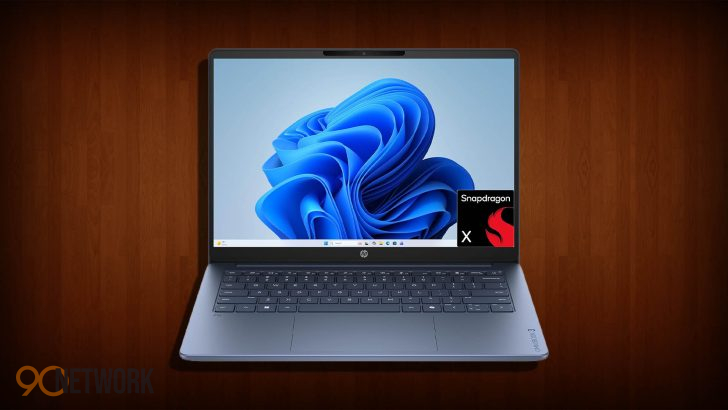
HP has unveiled its latest entry in the ultraportable market with the new HP OmniBook 3. Designed to compete directly against lower-cost compact laptops, the device enters the market with aggressive pricing starting as low as $499.99 depending on the retailer. The 14-inch laptop swaps traditional x86 architecture for ARM-based silicon, aiming to deliver extended battery runtime without inflating the overall retail price.
| Feature | HP OmniBook 3 Details |
|---|---|
| Display | 14-inch panel (OLED upgrade available) |
| Processor | Qualcomm Snapdragon X (8-core CPU @ 3.00GHz) |
| Battery Life | Up to 40 hours claimed |
| Starting Price | $499.99 (retailer dependent) |
HP OmniBook 3 Specifications and Features
Inside the chassis, the HP OmniBook 3 relies on Qualcomm’s Snapdragon X processor rather than Intel’s Wildcat Lake chips. This platform uses an 8-core CPU operating at clock speeds up to 3.00GHz. By adopting ARM architecture, HP focuses heavily on energy efficiency, which supports a claimed battery life reaching up to 40 hours under optimal conditions.
For the display, the base 14-inch form factor offers flexibility for buyers. Users can upgrade to an OLED panel, which provides deeper blacks and higher contrast compared to standard IPS LCD panels found on competing budget devices. This display enhancement offers a distinct visual advantage for media consumption and daily tasks.
Competitive Landscape and Trade-Offs
The release of the notebook follows a broader industry push toward power-efficient, affordable ultraportables. Manufacturers are increasingly adopting ARM architecture to deliver thin, lightweight designs that maintain long operational hours. Competitors such as Dell have also expanded their lineups with refreshed models like the XPS 13, creating a crowded field for buyers who prioritize portability.
However, operating system preference remains a major deciding factor for prospective buyers. While the hardware offers a compelling feature set for $499.99, the device runs on Windows on ARM. Buyers choosing between Windows and competing platforms like macOS must weigh software compatibility against screen technology and battery longevity.
For related coverage, browse our Snapdragon X laptop performance.