US Reportedly Reconsidering Apple Memory Deal With CXMT and YMTC
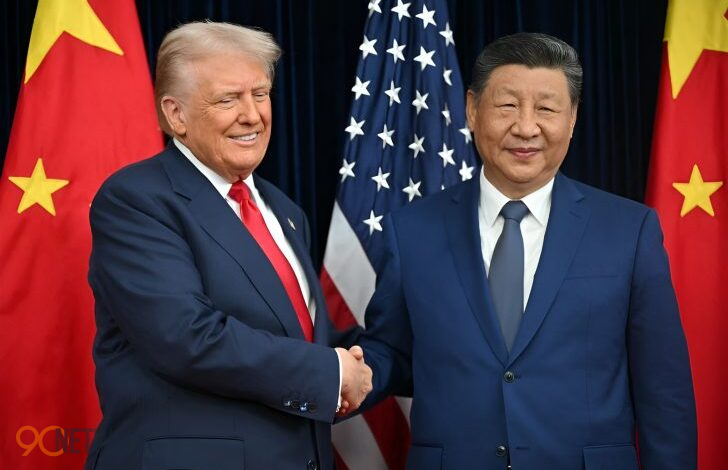
Reports indicate the Trump administration may permit Apple to procure memory chips from CXMT and YMTC following President Xi Jinping’s planned visit to the United States in September. The decision could signal a major shift in trade negotiations between Washington and Beijing. Allowing the tech giant to source memory components directly from Chinese semiconductor suppliers would address long-standing supply chain pressures while serving as a strategic diplomatic leverage point.
Apple has faced recurring hurdles in securing consistent silicon supply for its vast consumer hardware catalog. Expanding its vendor network to include Chinese manufacturers offers immediate operational benefits. However, national security concerns and geopolitical tensions have previously restricted these commercial partnerships.
Potential Impact if Apple Can Procure Memory Chips From CXMT
Under the potential policy change, Apple would gain access to major Chinese silicon fabricators for two distinct component categories. ChangXin Memory Technologies (CXMT) specializes in dynamic random-access memory (DRAM), whereas Yangtze Memory Technologies Co. (YMTC) is a key producer of NAND flash storage modules.
| Supplier | Memory Architecture | Target Hardware Application |
|---|---|---|
| CXMT | DRAM (Dynamic RAM) | System memory for mobile devices and computers |
| YMTC | NAND Flash Storage | On-board solid-state storage arrays |
Dynamic RAM provides the fast temporary memory required for active operating system tasks and multitasking. Meanwhile, NAND flash chips supply non-volatile storage for user files, system software, and applications. Sourcing both component types locally within Chinese manufacturing hubs could streamline assembly lines for hardware targeted at Asian markets.
Supply Chain Relief Meets Geopolitical Strategy
Securing reliable component streams remains a central priority for hardware manufacturers. Memory procurement costs fluctuate based on global availability and regional capacity. By diversifying its supplier base to include domestic Chinese foundries, Apple could gain increased pricing leverage against traditional memory providers in South Korea and Taiwan.
From an economic stance, this potential approval is viewed as a high-stakes bargaining tool ahead of the diplomatic summit in September. Allowing Apple to formalize ties with high-tech Chinese firms offers tangible economic benefits for both nations, though it also reopens debates surrounding critical technological reliance.
Navigating Regulatory and Hardware Constraints
If Washington greenlights the agreement, integration will not happen overnight. Apple enforces stringent quality control and validation benchmarks for all internal components before mass production. Memory modules built by CXMT and YMTC must pass rigorous performance and endurance testing to meet flagship device standards.
Furthermore, regulatory scrutiny remains high. Industry analysts suggest that any permission granted to purchase Chinese silicon may come with strict guidelines regarding hardware architecture and end-market distribution. Whether these memory chips end up in global device configurations or remain restricted to devices sold within regional markets remains an open question as negotiations unfold.
Readers can follow more global semiconductor market updates on 90Network.