Xbox One Hack Breaks Into One of the Most Secure Consoles
For more than a decade, the Xbox One stood as one of the most secure gaming consoles ever released. Despite countless attempts by researchers and hackers, the system remained largely untouched by major exploits since its launch in 2013.
That reputation has now changed. A newly revealed Xbox One hack demonstrates a hardware-level exploit that breaks through the console’s security architecture, potentially allowing researchers to run unsigned code and explore the system at a deeper level than ever before.
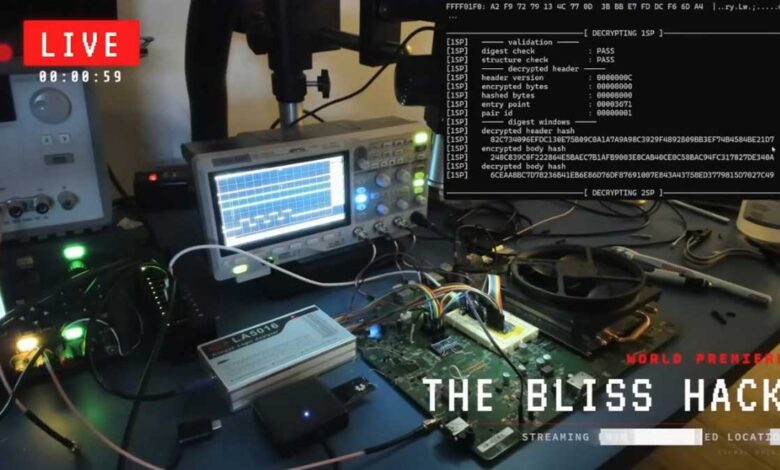
The breakthrough was presented by security researcher Markus “Doom” Gaasedelen during a cybersecurity conference, where he showcased an exploit known as “Bliss.” The technique targets the console’s boot ROM—one of the most fundamental components of its security design—making it one of the most significant console hacking developments in recent years.

Why the Xbox One Was Considered So Secure
When Microsoft launched the Xbox One, the company introduced a heavily fortified security system designed to prevent unauthorized software from running on the console.
Several layers of protection were built into the hardware and software architecture:
- Secure boot mechanisms
- Hardware encryption
- Strict digital signature verification
- A hypervisor that isolates system processes
These protections ensure that only software approved and digitally signed by Microsoft can run on the console. Any unsigned code is typically blocked before it can execute.
Because of this design, the Xbox One maintained a strong security record for over a decade. Unlike previous consoles, it avoided widespread jailbreaks or hacks that allowed custom firmware or homebrew software to run freely.
How the Xbox One Hack Works
The newly discovered exploit targets the console at an extremely early stage in its startup process.
Specifically, the attack focuses on the boot ROM, a hardware-based program embedded directly in the console’s processor. This component is responsible for initializing the system and verifying the integrity of firmware before the operating system loads.
Because the boot ROM is physically embedded in the hardware, it cannot be modified through normal software updates.
The exploit uses a technique known as voltage glitching, which intentionally disrupts the electrical signals inside the processor for a brief moment. This disruption interferes with the boot process and allows attackers to manipulate how certain instructions are executed.
During the demonstration, two carefully timed voltage glitches were used to bypass memory protection routines and redirect execution toward attacker-controlled code.
Once successful, the system can be forced to load unsigned software at multiple levels of the console’s architecture.

What the Exploit Allows
The exploit effectively compromises the console’s security chain.
According to researchers, the Xbox One hack could allow:
- Execution of unsigned code
- Access to the console’s hypervisor
- Decryption of system firmware and game files
- Exploration of the console’s operating system internals
This level of access means the console could theoretically run custom applications or experimental software.
Because the exploit targets hardware-level behavior in the boot ROM, it may also be impossible for Microsoft to fully patch it with software updates.
However, performing the attack currently requires specialized equipment and technical knowledge, meaning it is unlikely to become widely used by casual gamers anytime soon.
A Breakthrough for Game Preservation
Although console hacks often raise concerns about piracy, the researcher behind the exploit emphasized a different goal.
The project was presented primarily as a research effort aimed at digital preservation.
As gaming hardware ages, access to system internals becomes important for archivists, historians, and developers working on emulation projects.
By gaining deeper access to the Xbox One’s architecture, researchers may be able to:
- Preserve firmware and system software
- Improve console emulation accuracy
- Study how the platform operates internally
- Document hardware designs for historical purposes
These efforts can help ensure that future generations can continue to study and experience older gaming platforms.
Why It Took So Long to Hack the Xbox One
The Xbox One’s long resistance to hacking highlights just how advanced its security architecture was.
Earlier consoles often fell to exploits within a few years of release. The Xbox 360, for example, was eventually compromised through multiple techniques that allowed custom software to run on the system.
The Xbox One introduced several new defensive strategies that made similar attacks significantly harder.
These included:
- Stronger cryptographic verification
- Secure hardware root-of-trust systems
- Advanced hypervisor protections
- Improved hardware isolation
Because these protections were built deeply into the console’s architecture, finding a working exploit required years of experimentation and research.

Could This Lead to Modchips?
One potential outcome of the discovery is the creation of hardware devices that automate the glitching process.
In previous console generations, modchips were developed to simplify complex hardware exploits. These chips would trigger specific signals during the boot process to bypass security checks.
If a similar device is developed for the Xbox One, it could theoretically make the exploit easier to reproduce.
However, creating such hardware would still require careful engineering, and it remains unclear whether developers will pursue that path.
Limited Impact for Most Players
Despite the technical significance of the exploit, the practical impact on most gamers may be minimal.
The Xbox One’s game library is already widely available through other platforms, including PC and newer Xbox consoles.
Additionally, modern gaming ecosystems rely heavily on online services and digital authentication systems. Running modified software on a console could prevent access to online features or lead to account restrictions.
Because of this, the exploit is likely to remain primarily a research and enthusiast project rather than something that becomes widely used by everyday players.
Implications for Future Xbox Consoles
The discovery also raises questions about whether similar techniques could affect newer consoles such as the Xbox Series X or Series S.
At the moment, there is no evidence that those systems share the same vulnerability. Hardware designs evolve with each generation, and security mechanisms are constantly updated to address emerging attack methods.
Still, the research demonstrates that even the most secure hardware platforms can eventually be analyzed and understood over time.
For console manufacturers, the challenge remains balancing strong security with the openness needed for development and preservation efforts.
A Milestone in Console Security Research
The new Xbox One hack marks a significant milestone in the history of console security research. Breaking into a platform that remained untouched for more than ten years demonstrates both the complexity of modern hardware security and the persistence of researchers exploring it.
While the exploit is unlikely to become a mainstream tool for gamers, it offers valuable insight into how console systems are designed and protected.
For the cybersecurity community and digital preservationists, the breakthrough provides an opportunity to better understand one of the most secure gaming systems ever built.
And for the broader technology world, it serves as another reminder that even the strongest digital fortresses can eventually be explored—given enough time, curiosity, and technical ingenuity.