Maxell Revives Classic 1970s Ferric Cassette Tapes for Retro Tech Fans
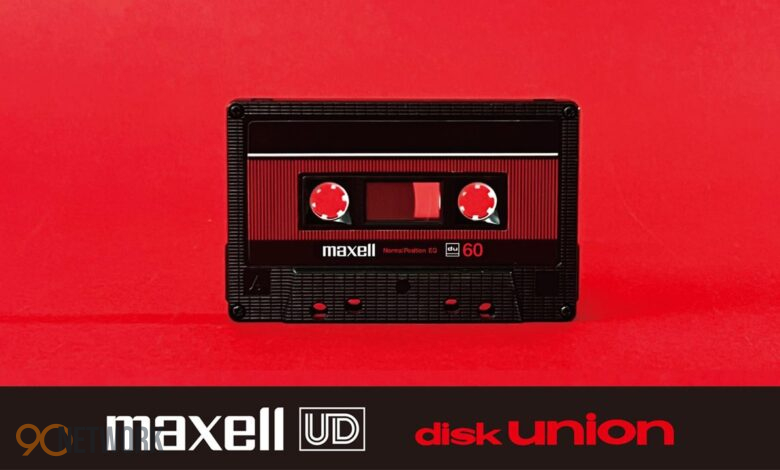
Maxell has teamed up with Japanese music retailer Disk Union to bring back its iconic 1970s tape formulation. The new release brings back Maxell UD-60U cassette tapes as a special edition designed in a striking black and red shell. While aimed primarily at music collectors, this nostalgic release also offers great news for retro computing enthusiasts who still rely on physical magnetic media.
Why Maxell UD-60U cassette tapes suit vintage computers
In the 1970s and 1980s, early home computer systems frequently used standard audio cassettes for software storage. Devices like the Commodore 64 Datassette transformed digital data into audio tones recorded directly onto tape. However, finding reliable, freshly manufactured tape stock today can be challenging for retro hardware preservers.
Higher-end cassette formulations, such as Type II chrome or Type IV metal tapes, often fail in older computer tape drives. These legacy systems require the specific bias and magnetic properties of Type I ferric oxide formulas. Consequently, the classic ferric formulation inside the Maxell UD-60U cassette tapes provides optimal signal levels for legacy data transfer. Retro computer owners can load vintage software programs without suffering from signal distortion or frequent read errors.
A targeted release for tape physical media enthusiasts
The special edition release features a 60-minute runtime divided evenly across two 30-minute sides. Maxell matched the visual styling of its classic Ultra-Dynamic series, complete with vintage-style black tape shells and vibrant red accents. Disk Union is distributing these physical media products across Japan, catering to both audio purists and retro tech collectors.
Although magnetic tape is no longer a dominant consumer format, niche demand remains surprisingly resilient. Retrogaming fans, vintage computer restorers, and cassette mixtape enthusiasts continue to seek out reliable physical media. Producing new ferric cassettes ensures that legacy hardware like vintage dataset units can remain functional without relying solely on modern flash storage emulators.
Continue with more retro computing storage options from our technology desk.