US Authorities Warn Siemens Industrial Controllers Are Being Targeted by AI-Driven Attacks
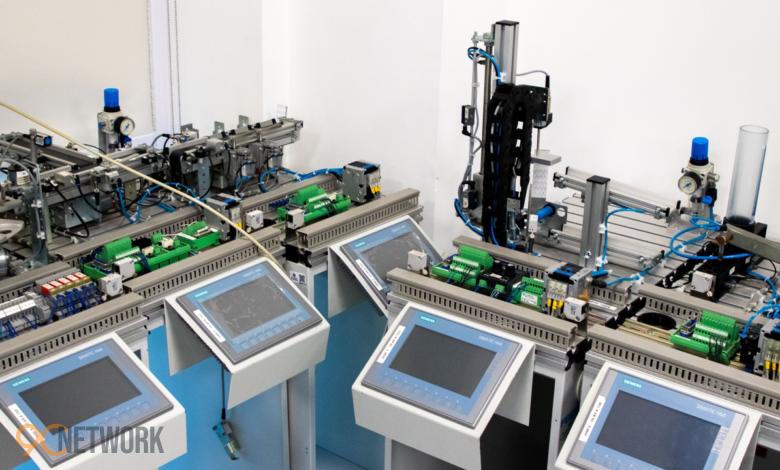
U.S. cybersecurity agencies are alerting critical infrastructure operators that Siemens controllers targeted by AI tools face an increasing risk of digital attacks. Threat actors are now using artificial intelligence software to draft technical exploitation scripts against Siemens S7 Programmable Logic Controllers (PLCs). Because these devices manage vital operations across municipal water facilities and industrial plants, compromised systems could lead to severe physical disruptions.
Understanding Siemens S7 PLCs in Critical Infrastructure
Siemens S7 controllers serve as the operational backbone for thousands of industrial environments worldwide. These specialized hardware units process physical inputs and trigger mechanical outputs across automated assembly lines, electrical grids, and water treatment plants. They regulate critical physical variables such as water pressure, chemical dosing, valve positioning, and motor speeds.
Because industrial control systems rely on precise timing and predictable commands, any unauthorized modification to controller logic can produce immediate physical consequences. Unlike standard server software, operational technology (OT) equipment directly interacts with machinery. Consequently, software exploits on these controllers can cause physical destruction or compromise municipal drinking water safety.
How Hackers Use Artificial Intelligence for Script Generation
Developing functional exploit payloads against industrial control systems historically required deep domain expertise in proprietary industrial protocols. However, intelligence from security authorities indicates that threat actors are deploying generative AI platforms to streamline this process. By feeding technical documentation, protocol specifications, and known vulnerability data into specialized models, attackers can generate functional automation scripts in a fraction of the usual time.
This technical shift dramatically lowers the barrier to entry for malicious actors. Automated scripting tools allow cybercriminals to rapidly customize attacks for specific hardware revisions and software versions without writing complex code from scratch. As a result, the time window between vulnerability discovery and weaponized deployment continues to shrink.
Why Siemens Controllers Targeted by AI Present High Risks
The convergence of AI-assisted exploit development and internet-exposed industrial hardware creates serious risks for essential utilities. When attackers successfully gain access to programmable logic controllers, the potential consequences extend far beyond simple data theft.
- Operational Downtime: Malicious code can force controllers into stop modes, halting processing facilities and industrial supply chains.
- Equipment Damage: Altering operational limits on pumps, turbines, or valves can cause permanent mechanical failure.
- Safety Hazards: Tampering with threshold sensors can bypass safety interlocks, exposing facility workers to chemical or electrical hazards.
- Process Manipulation: Attackers can subtly alter automated processes, such as changing chemical concentration levels in water purification systems.
Recommended Protection Strategies for Industrial Operators
To defend against emerging automated threats, government agencies urge critical infrastructure managers to implement immediate security controls. Most importantly, operators must audit their networks to ensure operational equipment remains isolated from the public internet.
| Threat Vector | Attack Mechanism | Recommended Mitigation |
|---|---|---|
| AI Scripting | Rapid generation of automated exploit code | Apply official firmware updates promptly |
| Internet Visibility | Remote scanning and targeting of PLCs | Air-gap controllers and remove public IP access |
| Protocol Exploitation | Unauthorized command injection | Enforce network segmentation and strict access controls |
Furthermore, facility managers should mandate multi-factor authentication for all remote access portals, maintain regular offline backups of controller configurations, and monitor network traffic for abnormal command structures. Isolating industrial control networks from general corporate IT environments remains the most effective defense against automated targeting.
Continue with more industrial cyber security threats from our technology desk.