US Agencies Warn Hackers Are Targeting Siemens S7 Controllers with AI-Generated Exploits
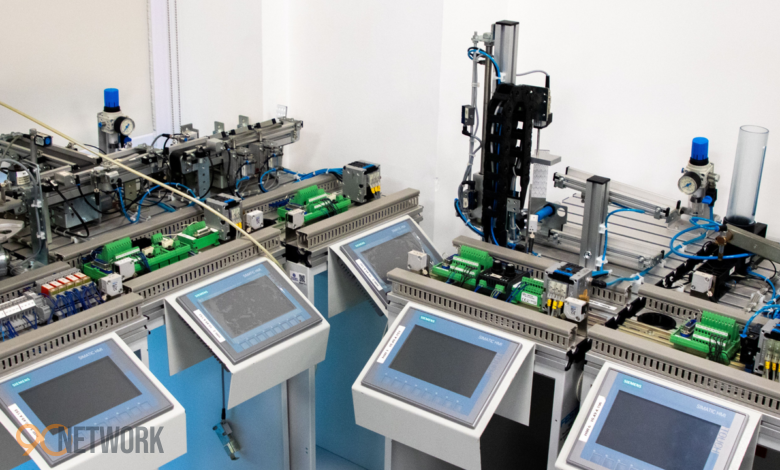
United States federal agencies have issued a serious security advisory, warning that malicious hackers target Siemens S7 PLCs managing vital public utility networks. These Programmable Logic Controllers serve as the digital backbone for critical operations, including municipal water systems, manufacturing facilities, and energy infrastructure. According to cyber defense authorities, threat actors are now leveraging artificial intelligence tools to generate specialized exploitation scripts, accelerating their ability to strike operational technology environments.
Why Hackers Target Siemens S7 PLCs in Critical Infrastructure
Programmable Logic Controllers, or PLCs, act as the bridge between digital software instructions and physical machinery. In industrial settings, Siemens S7 controllers monitor sensors and automate physical tasks such as controlling valves, regulating pressure, and directing fluid flow. Because these devices interact directly with physical processes, a compromised controller allows attackers to manipulate physical operations remotely.
Security agencies report that attackers are increasingly using generative AI systems to speed up script development. By utilizing AI tools, threat actors can generate exploitation code tailored to industrial protocols much faster than traditional manual coding allows. Consequently, this lowers the technical barrier required to create functional attack tools targeting specific hardware models.
Impacts of Compromised Industrial Controllers
When threat actors gain unauthorized access to industrial control systems, the consequences can extend far beyond simple data theft. Disruption of these devices poses direct risks to public safety, operational continuity, and physical equipment integrity.
- Industrial Process Disruption: Cyberattacks can alter automation routines, causing processing plants or water management facilities to fail or operate improperly.
- Equipment Damage: Malicious code can force heavy machinery past safe operating limits, leading to severe mechanical stress or permanent hardware failure.
- Operational Downtime: Unplanned outages caused by compromised controllers halt essential services and create substantial recovery costs.
- Safety Hazards: Manipulating physical components like pressure valves or chemical monitors creates immediate risks for site personnel and surrounding communities.
Recommended Defenses for System Operators
To defend against emerging threats, federal agencies strongly recommend immediate defensive steps for facility administrators and security teams. The primary objective is reducing exposure and ensuring hardware remains resilient against known automated exploits.
First, operators should disconnect Siemens S7 controllers from the public internet whenever possible. Isolating operational technology networks behind strict firewalls or implementing true air-gaps drastically reduces the available attack surface. Furthermore, administrative teams must apply official vendor software updates promptly to patch vulnerabilities and invalidate automated exploit scripts.
Readers can follow more industrial cybersecurity protocols on 90Network.