AMD Ryzen 7 5800X3D Delivers Full Gaming Potential Even on Older Motherboards
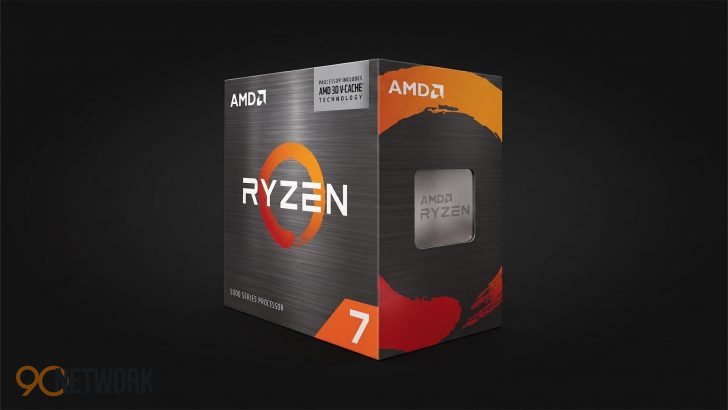
PC builders looking to stretch their hardware budgets amidst ongoing memory market pressures have received encouraging news regarding AMD’s resilient AM4 ecosystem. Recent performance testing demonstrates that Ryzen 7 5800X3D gaming performance remains virtually identical whether the processor runs on an older AM4 motherboard or a newer board released late in the socket’s lifecycle.
The findings arrive at a critical moment for custom desktop upgrades. With elevated prices and supply challenges impacting the DRAM industry, migrating to newer platforms requiring DDR5 memory can substantially increase system costs. AMD’s decision to maintain platform support and re-release its popular 3D V-Cache processor offers budget-conscious gamers a compelling path to upgrade without replacing their entire setup.
Testing Ryzen 7 5800X3D Gaming Performance Across AM4 Generations
Evaluating processor behavior across different motherboard revisions reveals whether older motherboard power delivery designs or PCIe generations choke modern silicon. In real-world gaming scenarios, pairing the re-released 3D V-Cache processor with an earlier motherboard generation yielded frame rates nearly indistinguishable from top-tier, modern AM4 options.
However, running modern CPUs on legacy motherboards isn’t always plug-and-play. Hardware builders often encounter minor setup hurdles when installing newer chips into early AM4 hardware:
- Firmware updates: Legacy motherboards usually require a BIOS flash to support re-released CPU models and modern AGESA code.
- Initial boot procedures: Getting older boards to post may require clearing motherboard CMOS settings or briefly using an older generation processor to execute the firmware update.
- Feature differences: While legacy motherboards lack newer connectivity standards, their core power delivery and memory routing remain sufficient for peak gaming execution.
Once initial setup obstacles are resolved, frame rates and gaming output stay remarkably consistent across board generations. The massive stacked L3 cache on the 3D V-Cache processor helps offset any minor bus bandwidth or memory timing gaps, allowing older motherboards to drive powerful GPUs efficiently.
Why Platform Longevity Matters During Memory Crises
The ability to preserve full Ryzen 7 5800X3D gaming performance without upgrading motherboards or system RAM offers key economic advantages. Transitioning to current-generation platforms like AM5 demands purchasing a new motherboard and expensive DDR5 RAM kits. For gamers already using an AM4 system, installing a high-cache processor provides a top-tier CPU upgrade while keeping existing DDR4 memory intact.
This testing highlights the long-term value of AMD’s extended platform support. By sustaining the AM4 socket across multiple CPU generations, the company created an upgrade ecosystem that remains functional years after its release. As long as DRAM price pressures continue to strain builder budgets, keeping older AM4 motherboards operational with flagship gaming processors remains a practical alternative to full platform overhauls.
Explore more AMD AM4 platform upgrade options from 90Network.