After a brief and controversial departure from its iconic branding, Dell has brought back the XPS lineup—and the XPS 16 (2026) stands at the center of that revival. Positioned as a flagship Windows laptop, it aims to blend performance, design, and usability into one refined package.
Early impressions and hands-on reviews suggest that Dell didn’t just revive the XPS name—it rethought what a premium laptop should be in 2026.
A Comeback Story That Matters
Dell’s decision to restore the XPS branding comes after a failed attempt to rebrand its premium laptops. That move confused customers and diluted the identity of one of the most respected laptop lines.
With the XPS 16 (2026), Dell is clearly returning to its roots:
- Premium build quality
- Minimalist design language
- Focus on performance and portability
The result feels like a deliberate correction—one that signals Dell is listening closely to user feedback.
Design: Sleek, Minimal, and Instantly Recognizable
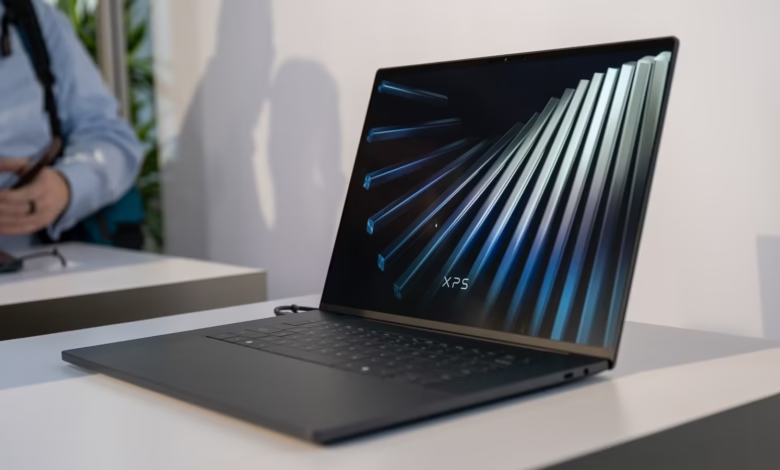
The XPS 16 continues Dell’s tradition of crafting visually striking laptops. Built with high-end materials like CNC-machined aluminum and glass, the device looks and feels premium from every angle.
Key design highlights include:
- Ultra-thin chassis (around 15mm thick)
- Lightweight construction for its size
- Clean, edge-to-edge display design
- Subtle branding with a refined finish
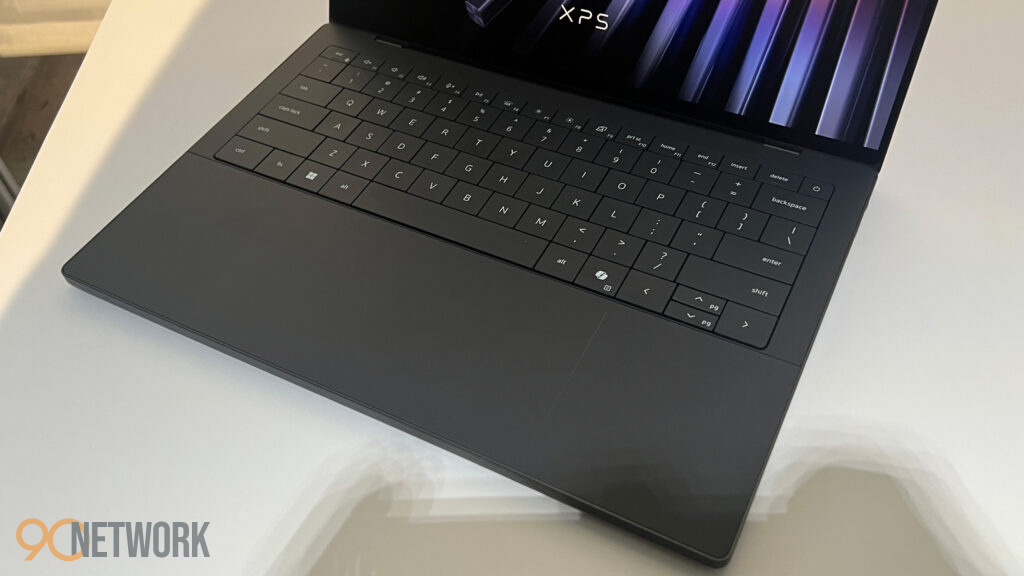
Dell has also addressed previous design criticisms. The controversial touch-sensitive function row is gone, replaced with physical keys—an upgrade many users had been requesting.
Display: Big, Bright, and Built for Creators
As a 16-inch laptop, the XPS 16 offers a spacious display that caters to professionals and creatives alike.
Users can expect:
- High-resolution OLED display options
- Up to 120Hz refresh rate for smoother visuals
- Excellent color accuracy (ideal for content creation)
- Adaptive refresh rate for better power efficiency
The display is one of the device’s biggest strengths, making it suitable for:
- Video editing
- Graphic design
- Media consumption
However, as with many OLED panels, higher brightness and resolution can impact battery life depending on usage.
Performance: AI-Ready and Future-Focused
Under the hood, the XPS 16 (2026) is powered by Intel’s latest Core Ultra processors, designed with AI workloads in mind.
Key performance features include:
- Intel Core Ultra Series chips with dedicated AI processing
- Integrated Intel Arc graphics
- Up to 64GB of high-speed LPDDR5X RAM
- Up to 4TB PCIe Gen 5 storage
These specs position the XPS 16 as more than just a productivity machine—it’s built for modern computing demands, including:
- AI-assisted workflows
- Multitasking across heavy applications
- Moderate creative workloads
While it lacks a dedicated GPU in many configurations, improvements in integrated graphics help bridge the gap for most users.
Keyboard and Touchpad: Fixing Past Mistakes
One of the most important changes in the 2026 model is the return to a more traditional keyboard experience.
Improvements include:
- Physical function keys replacing touch controls
- More tactile feedback when typing
- Better spacing for improved accuracy
Dell has also refined the haptic touchpad, giving it clearer boundaries and more consistent feedback.
These updates address one of the biggest complaints from previous XPS generations and significantly improve everyday usability.
Battery Life: Strong, But Configuration Matters
Battery performance is a key focus for modern laptops, and the XPS 16 delivers solid results—especially with optimized configurations.
Depending on usage and display choice, users can expect:
- Up to 27 hours of streaming in ideal conditions
- Even longer local playback in some scenarios
- Reduced battery life with OLED displays and high brightness
The use of newer battery technologies also contributes to improved efficiency, helping the laptop stay competitive in a crowded market.
Connectivity and Features
The XPS 16 embraces a modern, minimal port selection while still offering essential connectivity.
Key features include:
- Multiple Thunderbolt 4 / USB-C ports
- Wi-Fi 7 and Bluetooth 6 support
- High-resolution webcam for video calls
- Advanced cooling system for sustained performance
While the limited port selection may require adapters for some users, it aligns with the industry trend toward slimmer devices.
Pricing and Configurations
The XPS 16 (2026) sits firmly in the premium category, with pricing reflecting its high-end positioning.
- Starting price around $1,700–$2,200 depending on configuration
- High-end models exceeding $3,000 with max specs
Buyers can customize their device based on:
- Processor tier
- RAM and storage
- Display type (LCD vs OLED)
This flexibility allows users to tailor the laptop to their specific needs—but it also means costs can rise quickly.
Strengths and Weaknesses
What Works Well
- Premium, durable design
- Excellent display quality
- Strong performance for most workloads
- Improved keyboard and usability
- AI-ready hardware for future tasks
Where It Falls Short
- Expensive compared to competitors
- Limited ports may frustrate some users
- No dedicated GPU in most configurations
- Battery life varies significantly with display choice
Who Should Buy the XPS 16 (2026)?
This laptop is best suited for users who prioritize design, display quality, and overall experience over raw power.
Ideal for:
- Professionals needing a premium Windows laptop
- Creators working with visual content
- Users who value portability in a large-screen device
It may not be the best choice for:
- Hardcore gamers
- Users needing heavy GPU performance
- Budget-conscious buyers
The Bigger Picture: Dell’s Strategy Shift
The XPS 16 (2026) is more than just a new laptop—it represents a shift in Dell’s approach.
By bringing back the XPS brand and refining its design philosophy, Dell is:
- Rebuilding trust with its audience
- Focusing on user-driven improvements
- Competing more directly with premium rivals
This move could strengthen Dell’s position in the high-end laptop market, especially as AI-powered computing becomes more important.
Final Verdict
The Dell XPS 16 (2026) delivers on its promise of being a true comeback device. It combines elegant design, strong performance, and meaningful usability improvements into a cohesive package.
While it’s not perfect—especially in terms of price and GPU power—it represents a significant step forward for the XPS lineup.
For many users, this is exactly what a modern premium laptop should look like.