Elon Musk’s World’s Largest Chip Fab Plan Could Transform AI Chip Production
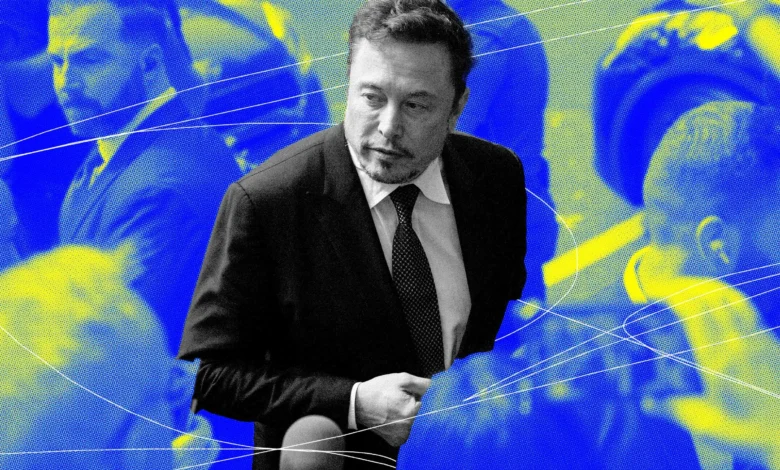
The technology industry may soon witness one of the most ambitious semiconductor projects ever proThe Elon Musk chip fab project could soon become one of the most ambitious semiconductor manufacturing plans ever announced. Reports suggest that Musk will unveil a massive chip fabrication facility within days, potentially creating the world’s largest AI-focused semiconductor factory.
The facility, reportedly called Terafab, is expected to focus on large-scale production of artificial intelligence processors. With AI demand growing rapidly across industries, the Elon Musk chip fab initiative could help Tesla and its AI ventures secure a long-term supply of advanced chips.
According to industry reports, the project could dramatically increase chip manufacturing capacity for AI systems, robotics, and autonomous vehicle technology.
For more background on the announcement, see the original report:
https://wccftech.com/elon-musks-plan-for-the-worlds-largest-chip-fab-will-be-unveiled-by-next-week/
Design and Infrastructure of the Elon Musk Chip Fab
The proposed Elon Musk chip fab facility may differ from traditional semiconductor plants by combining multiple stages of chip production in a single complex.
Most semiconductor companies separate design, fabrication, and packaging into different locations. However, Tesla’s plan may integrate these processes under one roof.
The facility could include:
- AI chip design centers
- Wafer fabrication lines
- Advanced chip packaging systems
- High-volume semiconductor testing labs
This type of vertical integration could significantly improve efficiency while reducing dependence on external suppliers.
Tesla has used similar strategies in other areas of its business, including battery production and electric vehicle manufacturing.
Performance Goals of the Elon Musk Chip Fab
The main goal of the Elon Musk chip fab project is to meet the exploding demand for AI computing power.
Tesla and other AI companies require enormous quantities of specialized processors to train machine learning models and operate large data centers.
Reports suggest the Terafab project may eventually target production levels such as:
- 100–200 billion AI chips per year
- Around 100,000 wafer starts per month initially
- Long-term scaling to over one million wafer starts monthly
These numbers would place the facility among the largest semiconductor manufacturing operations in the world.
The chips produced could support multiple technologies including:
- AI training clusters
- Autonomous driving systems
- Robotics processors
- Large-scale data centers
Tesla already develops its own custom processors for AI workloads. More information about Tesla’s AI hardware can be found here:
https://en.wikipedia.org/wiki/Tesla_Dojo
AI and Visual Processing Powered by the Elon Musk Chip Fab
Although the Elon Musk chip fab facility itself will not include cameras or consumer hardware, the chips it produces could power advanced visual computing technologies.
AI processors produced in the factory may support applications such as:
- Computer vision for self-driving vehicles
- AI-based video recognition systems
- Robotics perception technology
- Automated industrial inspection systems
Tesla’s autonomous driving technology relies heavily on camera-based sensors and real-time visual processing. By producing its own chips, Tesla could accelerate development of these systems.
You can learn more about AI hardware development in our guide to how AI chips power modern technology.
Energy Requirements of the Elon Musk Chip Fab
One of the biggest challenges in building the Elon Musk chip fab facility will be energy consumption.
Modern semiconductor factories require enormous power to operate equipment such as:
- EUV lithography machines
- Cleanroom air filtration systems
- High-performance testing systems
- Data processing infrastructure
Large semiconductor facilities can consume hundreds of megawatts of electricity.
Given Tesla’s expertise in renewable energy and battery storage, the project could potentially integrate solar power generation and large battery systems.
Such infrastructure would align with Musk’s long-term goal of building sustainable energy-powered industries.
Investment and Cost of the Elon Musk Chip Fab
Building the Elon Musk chip fab could require an enormous financial investment.
Industry estimates suggest that constructing a semiconductor facility of this scale may cost between $20 billion and $30 billion.
Funding for the project may come from several sources:
- Tesla corporate investment
- Strategic technology partnerships
- Government semiconductor incentives
- External investors
Many governments are currently encouraging domestic semiconductor manufacturing through subsidies and tax incentives, which could help support the project.
More details about semiconductor supply chains can be found in our article on future global chip manufacturing trends.
Additional Industry Impact of the Elon Musk Chip Fab
The Elon Musk chip fab project could reshape several aspects of the technology industry.
Reduced Dependence on Foundries
Tesla currently relies on external manufacturers such as TSMC and Samsung for chip production.
Building its own semiconductor factory could reduce reliance on overseas suppliers.
Support for Tesla AI Projects
Tesla’s long-term roadmap includes several AI-driven technologies:
- Self-driving cars
- Autonomous robotics
- AI-powered data centers
- Advanced machine learning systems
All of these projects require large quantities of specialized processors.
Potential Partnerships
Large semiconductor projects often involve partnerships with equipment manufacturers and technology firms.
The Terafab project could involve collaboration with major chip equipment suppliers to accelerate development.
Final Thoughts
The Elon Musk chip fab announcement could represent a major shift in the global semiconductor industry. If Tesla successfully builds the world’s largest AI-focused chip factory, it could dramatically increase chip production capacity for next-generation technologies.
With artificial intelligence demand growing rapidly, companies that control their own semiconductor supply chains may gain a significant advantage.
More details about the Elon Musk chip fab project are expected to be revealed soon, and the announcement could mark the beginning of one of the most ambitious chip manufacturing initiatives ever attempted.