RAM Price Index 2026 Shows Shifting DDR5 and DDR4 Costs

The RAM price index 2026 highlights a rapidly changing memory market, where both DDR5 and DDR4 prices are fluctuating due to supply constraints and rising demand. Buyers are seeing unpredictable price swings, making it harder to decide when to upgrade or build a new system.
Unlike previous years, memory pricing is no longer stable. Instead, it reflects deeper industry changes driven by artificial intelligence, production shifts, and global supply pressure.
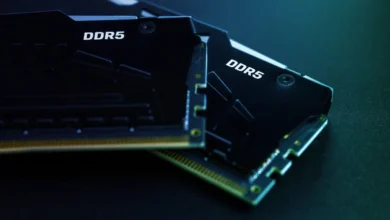
DDR5 Memory Prices Surge Amid High Demand
DDR5 has become the focal point of the current memory market.
Recent trends show:
- Entry-level kits occasionally dropping in price for short periods
- High-capacity kits (like 32GB) seeing sharp increases
- Frequent stock shortages across retailers
The main driver behind these changes is demand from high-performance computing and AI workloads. These use cases require faster and larger memory configurations, pushing prices upward.
DDR4 Pricing Trends Are No Longer Stable
DDR4 was once considered the affordable option, but that perception is changing.
Key developments include:
- Noticeable price increases compared to 2025
- Reduced production as manufacturers prioritize newer memory
- Continued demand from users on older platforms
Even though DDR4 is older technology, it remains widely used, which keeps demand strong despite shrinking supply.
Why Memory Prices Are Fluctuating in 2026
The current pricing instability is not random it reflects major shifts in the tech industry.
Main Factors Driving Changes:
- AI expansion: Data centers require massive memory resources
- Production focus: Manufacturers prioritize high-margin products
- Supply limitations: DRAM output cannot fully meet demand
- Market volatility: Prices react quickly to supply changes
These combined factors are reshaping how memory is priced globally.
Signs of Stabilization in the Memory Market
Despite recent increases, there are early signs that pricing may be stabilizing in some areas.
What We’re Seeing:
- Slower price increases compared to previous months
- Occasional price drops for select kits
- More consistent pricing for certain configurations
However, stabilization does not mean a return to low prices it simply indicates that the market may be reaching a temporary balance.
Regional Differences in RAM Pricing
Memory prices are not uniform worldwide.
Regional Observations:
- United States: Higher volatility and limited availability
- Europe: Slight price easing in some DDR5 segments
- Global markets: Ongoing uncertainty due to supply chain issues
These differences highlight how local supply and demand conditions affect pricing.
AI Demand Is Reshaping the Memory Industry
Artificial intelligence is one of the biggest influences on RAM pricing today.
How AI Impacts Memory:
- Increases demand for high-performance memory
- Shifts production toward enterprise-grade solutions
- Reduces availability for consumer hardware
This shift means everyday users are competing with large-scale data operations for the same resources.
What This Means for PC Builders and Gamers
For consumers, the current market presents both challenges and opportunities.
Challenges:
- Higher upgrade costs
- Difficulty finding stable pricing
- Limited availability of popular configurations
Opportunities:
- Occasional price drops can offer savings
- Existing DDR4 systems may still be cost-effective
- Careful timing can reduce overall spending
Being flexible and informed is more important than ever.
Should You Buy RAM Now or Wait?
Timing a purchase has become increasingly complex.
Consider Buying If:
- You need immediate performance improvements
- Prices are temporarily lower for your desired configuration
- Availability is limited and may worsen
Consider Waiting If:
- You can delay your upgrade
- You expect short-term price drops
- You are monitoring trends for better deals
There is no guaranteed “perfect time” in such a dynamic market.
Future Outlook for Memory Prices
Looking ahead, several trends are likely to shape pricing:
- Continued influence of AI-driven demand
- Gradual production adjustments
- Possible long-term stabilization at higher price levels
Experts suggest that while extreme volatility may ease, prices are unlikely to return to past lows anytime soon.
Final Thoughts
The RAM price index 2026 reflects a market undergoing major transformation. What was once a predictable component category is now influenced by global demand shifts and emerging technologies.
For buyers, the best strategy is to stay informed, monitor trends, and act when favorable pricing appears.
In today’s environment, RAM is no longer just a basic upgrade it’s a timing-sensitive investment.