Sony’s AI-Generated Frames Could Redefine PlayStation Gaming
Sony AI frame generation is emerging as a groundbreaking technology that could reshape the future of PlayStation gaming. By using artificial intelligence to create additional frames in real time, Sony aims to deliver smoother visuals and enhanced performance without relying entirely on traditional hardware rendering.
This innovation signals a major shift in how games are built and experienced, blending machine learning with real-time graphics to create a more fluid and immersive gameplay experience.
What Is Sony AI Frame Generation?
Sony AI frame generation refers to a technique where artificial intelligence predicts and creates extra frames between those rendered by the game engine.
Instead of relying solely on the GPU, the system works by:
- Rendering base frames traditionally
- Using AI to analyze motion between frames
- Generating new intermediate frames to increase smoothness
This results in gameplay that appears to run at higher frame rates, even if the hardware isn’t rendering every frame natively.
Why Sony AI Frame Generation Matters
The introduction of Sony AI frame generation reflects a growing need to balance performance and visual quality in modern games.
As games become more demanding, maintaining high frame rates while delivering detailed graphics is increasingly difficult.
Key benefits include:
- Smoother gameplay: Higher perceived frame rates
- Better performance efficiency: Reduced strain on hardware
- Enhanced immersion: More natural motion during gameplay
This approach allows developers to push visual boundaries without sacrificing performance.
How Sony AI Frame Generation Improves Gameplay
Sony AI frame generation could significantly change how games feel in motion.
Expected improvements:
- Reduced stuttering during fast scenes
- More fluid character animations
- Improved camera movement and transitions
For example, a game running at 60 FPS could feel closer to 120 FPS thanks to AI-generated frames filling in the gaps.
However, it’s important to understand that these frames are predicted—not actually rendered—making them visually convincing but technically different.
Challenges of Sony AI Frame Generation
While Sony AI frame generation offers exciting possibilities, it also introduces several challenges.
1. Input Latency
Because AI needs time to generate frames, there may be a slight delay between player input and what appears on screen.
This can affect:
- Competitive gaming
- Fast-paced action titles
- Precision-based gameplay
2. Visual Accuracy
AI-generated frames are predictions, which means they can sometimes:
- Misinterpret motion
- Create minor visual artifacts
- Struggle with complex scenes
These issues could impact the overall experience if not carefully optimized.
3. “Artificial” Frames Debate
Some critics argue that AI-generated frames are not “real” frames since they are not directly rendered by the game engine.
This raises questions about:
- Visual authenticity
- Competitive fairness
- Accuracy in gameplay representation
Where Sony AI Frame Generation Could Appear
Sony has not officially confirmed a release timeline, but there are strong possibilities for where this technology might debut.
Potential platforms:
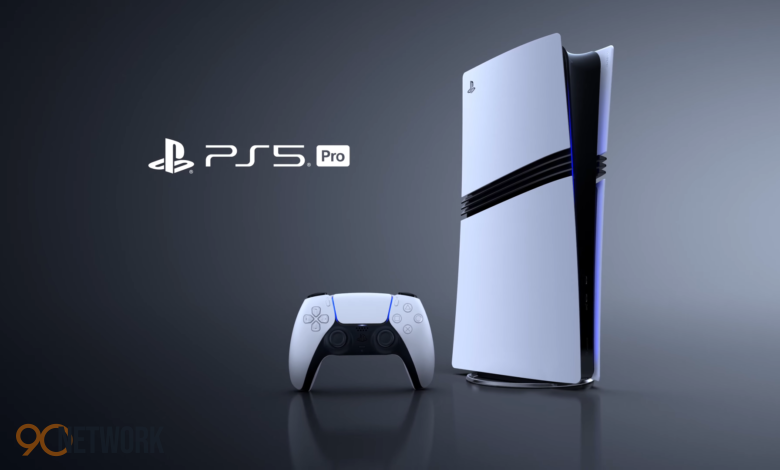
- PlayStation 5 Pro:
Could introduce early versions of AI frame generation - Next-generation PlayStation (PS6):
Likely to fully integrate the technology at a hardware level
Given the pace of innovation, Sony is likely refining this system before a full rollout.
Sony’s Broader AI Strategy in Gaming
Sony AI frame generation is part of a larger push toward AI-driven gaming technologies.
Existing advancements include:
- AI upscaling for sharper visuals
- Improved ray tracing for realistic lighting
- Machine learning tools developed with hardware partners
These technologies already enhance gaming performance, and AI frame generation builds on that foundation.
Industry Shift Toward AI Graphics
Sony is not alone in exploring AI-based rendering techniques.
Across the gaming industry, companies are adopting AI to improve efficiency and performance.
Key trends:
- AI-assisted rendering replacing traditional methods
- Frame interpolation becoming more common
- Increased reliance on predictive algorithms
This shift marks a transition from hardware-focused improvements to smarter software solutions.
What Sony AI Frame Generation Means for Developers
For game developers, Sony AI frame generation could open new creative opportunities.
Advantages include:
- Reduced pressure to hit high native frame rates
- More resources available for graphics and world-building
- Greater flexibility in game design
Developers may be able to focus more on storytelling and realism while AI handles performance optimization.
What Players Should Expect
The success of Sony AI frame generation will depend on how well it balances smooth visuals with responsiveness.
Best-case scenario:
- Seamless, fluid gameplay
- Minimal latency
- Enhanced immersion across all genres
Possible drawbacks:
- Slight input lag
- Occasional visual inconsistencies
- Over-reliance on AI-generated content
Ultimately, player experience will determine how widely this technology is adopted.
The Future of Sony AI Frame Generation
Sony AI frame generation represents a major خطوة toward the future of gaming.
By combining artificial intelligence with traditional rendering, Sony is redefining how visuals are created and displayed.
This could lead to:
- More cinematic gameplay experiences
- Higher visual standards across the industry
- New expectations for performance
As AI continues to evolve, the line between rendered and generated visuals will become increasingly blurred.
Final Thoughts
Sony AI frame generation has the potential to transform PlayStation gaming by delivering smoother visuals and more efficient performance. While challenges like latency and accuracy remain, the technology represents a significant step forward in the evolution of game graphics.
If successfully implemented, it could redefine how players experience games—and how developers create them—for years to come.