Amazon Expands Ultra-Fast Shipping With 1-Hour and 3-Hour Delivery Options
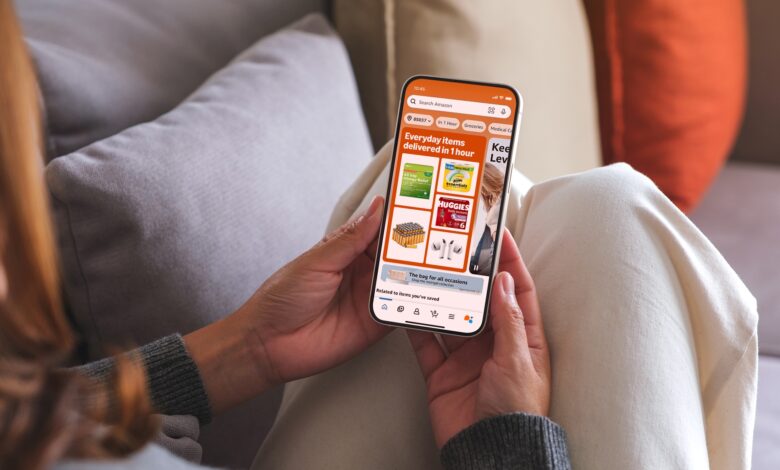
Amazon is once again raising the bar for e-commerce logistics. The company has introduced new 1-hour and 3-hour delivery options across select regions in the United States, signaling a major step forward in its push toward near-instant fulfillment.
The move reflects Amazon’s ongoing investment in faster delivery speeds, aiming to meet growing consumer expectations for convenience and immediacy. With these new options, customers can receive everyday essentials and popular items in a matter of hours rather than days.
A New Era of Instant Gratification
Online shopping has evolved rapidly over the past decade. What began as a convenient alternative to in-store purchases has now become a race against time. Consumers increasingly expect their orders to arrive almost immediately.
Amazon’s latest rollout addresses this demand directly. The company is positioning itself not just as an online retailer, but as a real-time delivery service.
The newly introduced delivery windows include:
- 1-hour delivery: Designed for urgent needs and last-minute purchases
- 3-hour delivery: A slightly more flexible option with broader product availability
These services are being integrated into Amazon’s existing logistics network, including its warehouses, local fulfillment centers, and delivery infrastructure.
What Products Are Eligible?
Not every item will qualify for ultra-fast delivery, at least initially. The focus is on high-demand, frequently purchased products that customers often need quickly.
Eligible categories typically include:
- Groceries and fresh food
- Household essentials
- Personal care items
- Electronics accessories
- Office supplies
By prioritizing these categories, Amazon ensures that the service aligns with real-world use cases—such as running out of essentials or needing an item urgently.
How the Service Works
Customers shopping on Amazon will see delivery options based on their location and the availability of nearby inventory. If the 1-hour or 3-hour option is available, it will appear at checkout.
The process is designed to be seamless:
- Browse eligible items
- Add to cart
- Select ultra-fast delivery option
- Receive the order within the chosen time window
In many cases, orders are fulfilled from local micro-warehouses or retail partners, reducing the distance between product and customer.
Expansion Strategy Across the US
The rollout is not nationwide yet. Amazon is introducing these delivery options in major metropolitan areas first, where dense populations and established logistics networks make ultra-fast delivery more feasible.
Cities likely to benefit early include:
- New York
- Los Angeles
- Chicago
- Dallas
- Seattle
Over time, the company is expected to expand coverage to additional urban and suburban areas.
The Technology Behind the Speed
Delivering within one hour is no small feat. It requires a highly coordinated system powered by advanced technology.
Amazon relies on:
- AI-driven inventory management to predict demand
- Local fulfillment centers positioned close to customers
- Optimized routing algorithms for faster delivery paths
- Real-time tracking systems for accurate delivery updates
These systems work together to minimize delays and ensure efficiency at every step.
Competing in the Fast Delivery Race
Amazon is not alone in pursuing faster delivery. Other major retailers and delivery platforms have also been investing in rapid fulfillment services.
However, Amazon’s scale gives it a significant advantage. Its extensive infrastructure, combined with years of logistics experience, allows it to roll out such services more effectively than many competitors.
Still, competition is intensifying. Companies offering same-day grocery delivery and local courier services are pushing innovation in this space.
Benefits for Customers
The introduction of 1-hour and 3-hour delivery offers several clear advantages:
- Convenience: Ideal for last-minute needs
- Time savings: Reduces the need for store visits
- Flexibility: Multiple delivery windows to choose from
- Reliability: Backed by Amazon’s logistics network
For busy households, professionals, and urban residents, this service could significantly change shopping habits.
Challenges and Limitations
Despite its potential, ultra-fast delivery comes with challenges.
1. Limited Availability
Not all areas will have access immediately. Rural and remote regions may take longer to benefit from the service.
2. Product Restrictions
Only certain items are eligible, meaning customers may still need to rely on standard delivery for other purchases.
3. Operational Costs
Faster delivery increases logistical complexity and cost, which could impact pricing or availability in the future.
4. Environmental Concerns
More frequent, smaller deliveries could raise questions about sustainability and carbon emissions.
Amazon has previously introduced initiatives aimed at reducing environmental impact, and similar measures may be applied to these new services.
Impact on Retail and E-Commerce
The introduction of ultra-fast delivery could reshape the broader retail landscape.
Changing Consumer Expectations
As customers experience faster delivery, expectations across all retailers will rise. Businesses that cannot match these speeds may struggle to compete.
Pressure on Competitors
Retailers will need to invest in logistics, partnerships, and technology to keep up with Amazon’s capabilities.
Shift Toward Local Fulfillment
The emphasis on speed is driving a shift toward localized inventory and smaller distribution centers closer to consumers.
The Role of Prime Membership
While details may vary, Amazon is likely to integrate these delivery options into its Prime ecosystem.
Prime members could receive:
- Discounted or free ultra-fast delivery
- Priority access to time slots
- Exclusive product availability
This would further strengthen the value proposition of the subscription service.
Future Outlook
Amazon’s move into 1-hour and 3-hour delivery is part of a broader trend toward instant commerce. The company is continuously experimenting with ways to reduce delivery times, including automation and advanced logistics systems.
Looking ahead, we may see:
- Wider geographic coverage
- Expanded product categories
- Integration with smart home devices for automated ordering
- Further innovations in delivery methods
The long-term goal appears to be clear: making delivery so fast that it rivals the immediacy of in-store shopping.
What It Means for Consumers
For customers, this development represents a shift in how everyday needs are met. Instead of planning ahead, shoppers can rely on near-instant access to essential items.
This could lead to:
- Reduced need for bulk buying
- Increased reliance on online shopping
- More spontaneous purchasing behavior
However, it also places greater importance on digital infrastructure and reliable delivery systems.
Conclusion
Amazon’s introduction of 1-hour and 3-hour delivery options marks a significant milestone in the evolution of e-commerce. By pushing the boundaries of speed and convenience, the company is setting new standards for the industry.
While challenges remain, the potential impact is undeniable. Faster delivery is no longer a luxury—it is becoming an expectation.
As Amazon continues to refine and expand its services, the future of shopping may be defined not by what you buy, but by how quickly it arrives.