25 Years Ago, the First Webcam Was Turned Off for Good
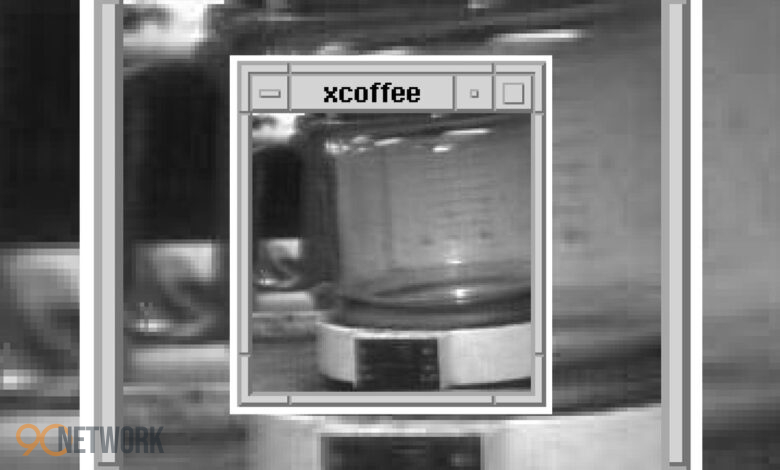
Twenty-five years ago, researchers at Cambridge University powered down a modest piece of hardware that unwittingly reshaped computing history. On August 22, 2001, the team officially unplugged the Trojan Room coffee pot webcam after a decade of continuous operation. What began as a practical internal solution for caffeine-starved computer scientists eventually became one of the most famous early milestones of the connected world.
How Did the Trojan Room Coffee Pot Webcam Work?
The system was born out of practical convenience rather than a desire to revolutionize digital communications. In 1991, staff members in the Computer Laboratory at Cambridge University wanted to avoid walking across the building to the Trojan Room only to discover an empty pot.
To solve this daily frustration, researchers wired a camera to a video frame grabber board on a local computer. The configuration captured a tiny 128×128 grayscale feed that delivered live images directly to desktop monitors on the local network. Remarkably, this system predated the invention of the World Wide Web itself.
As web browser technology emerged and expanded during the mid-1990s, developers adapted the video feed for public internet access. Millions of curious users worldwide eventually tuned in to watch the low-resolution image update every few seconds.
| Metric / Aspect | Historical Detail |
|---|---|
| Video Resolution | 128×128 grayscale |
| First Deployed | Circa 1991 (Local network) |
| Shutdown Date | August 22, 2001 |
| Total Service Time | 10 Years |
Why Was the Setup Retired After a Decade?
By 2001, the Computer Laboratory prepared to relocate to new facilities, making the legacy hardware configuration unnecessary. On Wednesday, August 22, 2001, administrators permanently disconnected the video stream. The physical coffee machine was later put up for sale on an online auction site, securing its status as an iconic piece of tech memorabilia.
While a 128×128 pixel feed appears primitive compared to modern high-definition streams, the experiment demonstrated the immense appeal of real-time remote monitoring. Today, integrated cameras are essential components in laptops, mobile phones, and smart home appliances, all tracing their origins back to a simple attempt to save a trip to an empty coffee pot.
Explore more history of early hardware innovations from 90Network.