NVIDIA Partners with SPAN and PulteGroup to Mount Liquid-Cooled AI Hardware on New Homes
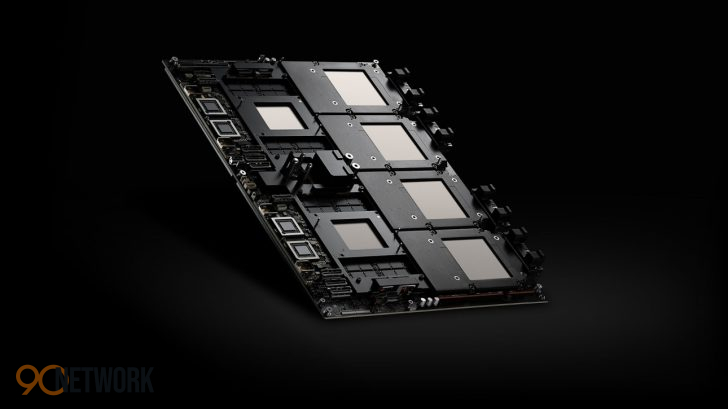
NVIDIA is partnering with smart energy firm SPAN and homebuilder PulteGroup to bring enterprise AI power directly to residential neighborhoods. Under this project, select homeowners can receive liquid-cooled wall-mounted Blackwell GPU nodes on new homes at zero upfront cost. Consequently, this initiative seeks to turn everyday housing walls into micro data centers to expand global compute infrastructure.
Inside the Wall-Mounted Blackwell GPU Nodes
The hardware setup packages serious enterprise compute performance into a compact, outdoor enclosure. Specifically, each unit contains 16 NVIDIA Blackwell GPUs alongside 4 server-grade CPUs inside a specialized liquid-cooled box. Furthermore, the collaboration leverages SPAN’s intelligent power management technology to handle energy demands smoothly alongside home electrical systems.
This effort builds upon the XFRA distributed data center framework that NVIDIA and SPAN introduced earlier in the year. By partnering directly with PulteGroup, the companies can integrate hardware seamlessly during the construction of new residences. Consequently, homeowners gain access to cutting-edge hardware deployment without paying initial installation fees.
Why Residential Distributed Compute Matters
The demand for artificial intelligence processing power continues to grow rapidly across the tech industry. Meanwhile, traditional centralized data centers face ongoing challenges regarding land availability and power grid capacity. Therefore, distributing hardware across residential properties offers an innovative alternative to scale up overall processing capacity.
For homeowners, participating in distributed compute networks could change how residential property generates value. Additionally, placing liquid-cooled hardware outside the house helps manage thermal output effectively. However, questions remain regarding long-term power consumption, network bandwidth usage, and maintenance access for host properties.
What to Watch Next for Home-Based AI Hardware
As PulteGroup begins installing these systems, observers will watch how decentralized power grids support continuous hardware operations. Moreover, the program will test whether residential energy orchestration can balance heavy compute workloads without disturbing daily household power needs.
Finally, if this distributed model proves reliable, it could encourage other tech companies and homebuilders to build similar infrastructure. Notably, the rollout marks a novel experiment in turning suburban neighborhoods into active nodes of the global compute grid.
For more independent coverage and explainers, visit our distributed AI compute infrastructure.
Source note: This article was developed from a news lead published by Wccftech, with additional context and analysis prepared for 90Network.