16TB M.2 SSD Arrives at Retail — But Its $16,000 Price Raises Eyebrows
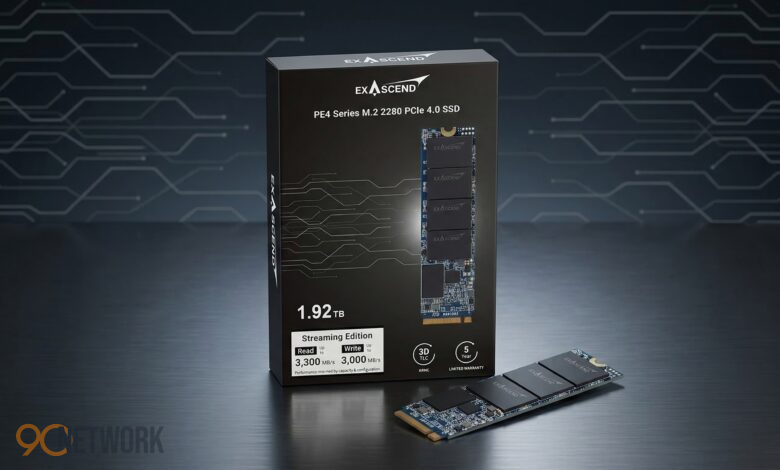
The storage industry has reached a new milestone with the arrival of a 16TB M.2 SSD on the retail market. While the capacity alone is impressive, the real headline is its staggering price tag—nearly $16,000—making it one of the most expensive consumer-accessible SSDs ever seen.
This launch highlights both the rapid evolution of solid-state storage and the growing divide between enterprise-grade technology and consumer affordability. As demand for high-capacity storage surges, particularly in AI-driven environments, prices are climbing at an unprecedented pace.
A Rare Breakthrough in M.2 Storage Capacity
High-capacity SSDs are not new in enterprise environments, but squeezing 16TB into the compact M.2 2280 form factor is still a rarity. Most consumer SSDs top out at 4TB or 8TB, with anything beyond that typically reserved for specialized use cases.
The newly available 16TB model stands out as a unique offering, effectively doubling the capacity of the largest mainstream M.2 drives.
This makes it particularly appealing for:
- Data-heavy professional workloads
- Edge computing systems
- Compact servers with limited physical space
- High-end content creation setups
However, its extreme price ensures that it remains far from a mainstream option.
Enterprise Roots Explain the Premium Pricing
One of the key reasons behind the eye-watering cost is the drive’s origin. Unlike popular consumer brands, this SSD is designed primarily for enterprise use, where reliability, endurance, and performance take priority over affordability.
Enterprise SSDs typically feature:
- Higher endurance ratings (TBW)
- Advanced error correction
- Enhanced thermal management
- Consistent performance under heavy workloads
These characteristics significantly increase production costs, which are then reflected in the final price.
In this case, the 16TB SSD is not just a large-capacity drive—it’s a specialized tool built for demanding environments.
Price Explosion in Just Four Months
What makes this release even more striking is how quickly the price has surged. Just a few months ago, the same 16TB SSD was available for a fraction of its current cost.
Recent data shows that its price has jumped nearly fourfold in a short period, climbing from roughly $4,300 to around $15,900.
This dramatic increase underscores a broader trend affecting the entire storage market.
What’s Driving the Price Surge?
Several factors are contributing to the sharp rise in SSD prices:
- NAND flash shortages: Supply constraints continue to limit production
- AI-driven demand: Data centers are consuming massive amounts of storage
- Supply chain disruptions: Ongoing global issues impact component availability
- Enterprise prioritization: Manufacturers are focusing on high-margin clients
Together, these pressures are pushing prices higher across all storage tiers, not just ultra-high-capacity models.
The “AI Tax” on Storage Hardware
The growing influence of artificial intelligence is reshaping the storage industry. As AI workloads expand, the demand for high-performance and high-capacity storage has skyrocketed.
This has led to what some analysts describe as an “AI tax”—a situation where increased demand from AI infrastructure drives up prices for everyone else.
Even enterprise SSDs are not immune. The 16TB M.2 drive serves as a clear example of how AI demand is inflating costs across the board.
Impact on the Broader Market
The ripple effects are already visible:
- Consumer SSD prices are rising
- High-capacity drives are becoming harder to find
- Manufacturers are prioritizing enterprise contracts
This trend suggests that affordable large-capacity SSDs may remain out of reach for typical users in the near future.
Better Value Alternatives Exist
While a 16TB M.2 SSD sounds appealing, it’s far from the most cost-effective way to achieve that level of storage.
For example, combining two high-end 8TB SSDs can deliver similar capacity at a fraction of the price.
Why Alternatives Make More Sense
- Lower cost per terabyte
- Greater flexibility in system configuration
- Easier upgrades and replacements
For most users—even professionals—this approach is significantly more practical.
Limited Appeal Beyond Enterprise Use
Despite its impressive specifications, the 16TB SSD is unlikely to gain widespread adoption outside niche markets.
Who Might Actually Buy It?
- Large-scale data centers
- AI research facilities
- Enterprise IT departments
- Specialized industrial systems
For everyday users, gamers, or even most content creators, the price simply doesn’t justify the benefits.
The Role of Form Factor Innovation
The introduction of a 16TB drive in the M.2 format is still a noteworthy technical achievement. Traditionally, higher capacities have required larger form factors such as U.2 or add-in cards.
By fitting this capacity into a compact M.2 design, manufacturers are pushing the boundaries of what’s possible in small-scale storage.
However, the technology is still in its early stages, and costs remain prohibitively high.
Supply Constraints Continue to Shape the Market
The broader storage industry is currently facing significant supply challenges. NAND flash production has struggled to keep up with demand, particularly as AI and cloud computing continue to expand.
This imbalance is expected to persist, meaning that high prices may not be a temporary issue.
Key Industry Challenges
- Limited wafer supply
- Increased competition for components
- Long production lead times
- Rising manufacturing costs
These factors are likely to keep SSD prices elevated in the foreseeable future.
What This Means for Consumers
For consumers hoping to upgrade their storage, the arrival of a 16TB M.2 SSD is more symbolic than practical. It demonstrates the direction of the industry but does not yet represent an accessible option.
Practical Takeaways
- Stick to 2TB–8TB drives for better value
- Consider multi-drive setups for larger capacity
- Expect prices to remain volatile
While technology continues to advance, affordability often lags behind.
Looking Ahead: Will Prices Drop?
Historically, storage prices tend to decrease over time as production scales and technology matures. However, current market conditions suggest that this process may take longer than usual.
With AI demand continuing to grow and supply constraints persisting, the timeline for more affordable high-capacity SSDs remains uncertain.
Future Expectations
- Gradual price stabilization over several years
- Increased competition among manufacturers
- New technologies to improve density and efficiency
Until then, ultra-high-capacity SSDs will likely remain a luxury reserved for enterprise users.
Final Thoughts
The debut of a 16TB M.2 SSD at nearly $16,000 is both a technological milestone and a stark reminder of current market realities. While the achievement showcases the potential of modern storage technology, it also highlights the growing impact of supply shortages and AI-driven demand.
For now, this drive stands as a glimpse into the future—one where massive storage capacities are possible in compact formats, but not yet affordable for the average user.