SSD Prices 2026: Cheapest M.2 Deals and Market Trends
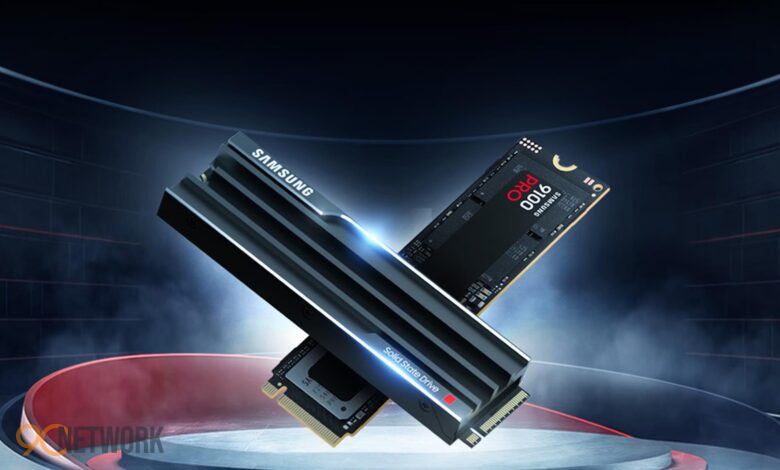
The SSD prices 2026 landscape is rapidly changing, with buyers facing fluctuating costs and limited availability across popular M.2 drives. What was once a period of affordable storage has shifted into a volatile market driven by supply shortages and surging demand.
For consumers and PC builders, understanding current price trends is essential to finding the best deals and avoiding overpaying.
Why SSD Prices Are Rising in 2026
The surge in SSD prices 2026 is largely tied to a global shortage of NAND flash memory—the core component used in all solid-state drives.
Key factors driving the increase include:
- Massive demand from AI data centers
- Limited global production capacity
- Shift toward higher-margin enterprise memory
- Rising manufacturing and material costs
Industry forecasts suggest that SSD prices could rise by as much as 40–60% in some segments due to supply constraints.
Additionally, many manufacturers are prioritizing enterprise customers, leaving fewer resources for consumer-grade storage.
Cheapest M.2 SSD Prices by Capacity
Despite rising costs, some deals still exist—especially if you know where to look. Pricing varies widely depending on capacity and performance tier.
1TB SSDs
- Budget range: $70–$90
- Mid-range: $90–$130
- High-end: $130+
Prices for 1TB drives have increased significantly compared to 2025, when similar models were available for as low as $45–$60.
2TB SSDs
- Budget options: $120–$180
- Performance models: $180–$250
- Premium drives: $250+
This capacity is currently the most popular among gamers and professionals, which keeps demand—and prices—relatively high.
4TB SSDs
- Entry-level: $250–$350
- High-performance: $350–$500+
Higher-capacity drives are particularly affected by supply shortages, making them harder to find at competitive prices.
PCIe Gen 5 SSDs
- Entry pricing: around $100–$150 (1TB)
- Premium models: $200+
Next-generation drives offer extreme speeds but often come at a premium due to newer technology and limited adoption.
Why Prices Change So Frequently
One of the biggest challenges in tracking SSD prices 2026 is how quickly they fluctuate.
Prices can change daily due to:
- Inventory shortages
- Sudden demand spikes
- Supplier pricing adjustments
- Flash memory contract changes
In many cases, affordable stock sells out quickly, leaving only higher-priced options available.
The Impact of AI on SSD Costs
AI is one of the biggest forces reshaping the storage market in 2026.
Key impacts include:
- AI servers consuming large amounts of NAND memory
- Manufacturers prioritizing enterprise-grade storage
- Reduced supply for consumer SSDs
- Increased competition for components
This shift has created a “perfect storm” where demand far exceeds supply, pushing prices higher across the board.
Are SSD Prices Expected to Drop?
While current trends show rising costs, there is some optimism for later in the year.
Forecasts suggest:
- Prices may stabilize after early 2026 spikes
- Gradual declines could occur toward the end of the year
- Potential 10–15% price drops by Q4 if supply improves
However, much depends on how quickly manufacturers can increase production capacity.
Best Strategy for Buying SSDs in 2026
If you’re planning to buy storage this year, timing and strategy matter more than ever.
Buy Now If You Need Storage
Prices are unlikely to return to previous lows anytime soon, so delaying a necessary upgrade may not save money.
Look for Short-Term Deals
Occasional discounts still appear, especially during:
- Seasonal sales
- Retail promotions
- Inventory clearances
Consider Alternative Options
- Older PCIe Gen 4 drives may offer better value
- Budget SSDs can be suitable for secondary storage
- Smaller capacities may be more affordable
For more guidance, check best processors for gaming laptops to match your storage with performance needs.
How to Choose the Right SSD
When evaluating current deals, consider more than just price.
Important factors include:
- Read/write speeds
- Endurance (TBW rating)
- Brand reliability
- Warranty coverage
Balancing performance and cost is key in today’s market.
Future Outlook for SSD Prices
The SSD prices 2026 trend reflects a larger transformation in the semiconductor industry.
Expected developments include:
- Continued demand from AI infrastructure
- Expansion of NAND production capacity
- New technologies improving efficiency
- Long-term stabilization of prices
However, experts warn that supply constraints could persist into 2027, keeping prices elevated for the foreseeable future.
What This Means for Consumers
For everyday users, the current market presents both challenges and opportunities.
Pros
- Access to faster and more advanced SSD technology
- Growing variety of products
- Occasional competitive deals
Cons
- Higher prices compared to previous years
- Limited availability of budget options
- Unpredictable pricing trends
Understanding the market can help buyers make smarter purchasing decisions.
Final Thoughts
The SSD prices 2026 landscape is defined by volatility, driven largely by global demand for memory and the rapid growth of AI infrastructure. While deals still exist, they require careful timing and research.
For now, buyers should focus on value rather than waiting for major price drops. As the market evolves, staying informed will be the key to getting the best possible deal.