OpenAI Plans All-in-One Superapp for ChatGPT, Codex, and Atlas
OpenAI is preparing a major in its product strategy—one that could redefine how users interact with artificial intelligence on desktop devices. The company is reportedly working on a unified “superapp” that combines its flagship chatbot ChatGPT, the Codex coding assistant, and the Atlas AI-powered browser into a single, cohesive platform.
This move signals a shift away from scattered tools toward a more integrated ecosystem designed to simplify workflows, improve performance, and strengthen OpenAI’s position in an increasingly competitive AI market.
A Unified Vision for AI Tools
Over the past few years, OpenAI has rapidly expanded its portfolio. From conversational AI to coding assistants and experimental browsers, the company has introduced multiple standalone products—each powerful, but somewhat disconnected.
Now, that approach is changing.
The planned superapp aims to bring these tools together into one interface, allowing users to:
- Chat with AI using ChatGPT
- Write, debug, and manage code through Codex
- Browse and interact with the web using Atlas
Instead of switching between apps, users would be able to perform all these tasks in a single environment.
According to reports, this integration is part of a broader effort to streamline the user experience and reduce internal complexity that has slowed development and performance.
Why OpenAI Is Moving Toward a Superapp
The decision to consolidate these tools didn’t happen in isolation. It reflects both internal challenges and external pressures.
1. Reducing Product Fragmentation
OpenAI executives have acknowledged that managing multiple separate apps created inefficiencies. Teams were spread thin, and the overall user experience became less cohesive.
By merging its offerings, the company hopes to:
- Improve product quality
- Accelerate feature development
- Deliver a more seamless experience
This shift represents a move toward focus rather than expansion.
2. Responding to Fierce Competition
The AI landscape is evolving rapidly, with rivals introducing highly specialized tools—especially in coding and enterprise solutions.
Competitors like Anthropic have gained traction with developer-focused AI products, pushing OpenAI to rethink its strategy.
The superapp could serve as a countermeasure by offering:
- A single platform for multiple use cases
- Stronger integration between features
- Increased user retention through convenience
3. Learning from Past Experiments
OpenAI’s recent history includes several ambitious launches, some of which struggled to maintain long-term engagement.
Standalone tools can generate excitement—but sustaining usage often requires deeper integration into daily workflows.
The superapp approach suggests the company is prioritizing:
- Practical utility over novelty
- Long-term adoption over short-term buzz
What Each Component Brings
The power of the superapp lies in combining three distinct but complementary technologies.
ChatGPT: The Core Interface
ChatGPT remains OpenAI’s most widely used product, serving as the central hub for conversation, research, and task automation.
Within the superapp, it is expected to act as the primary interface—connecting users to all other features.
Codex: The Developer Engine
Codex is designed to assist with programming tasks, from writing code to fixing bugs and generating functions.
It can:
- Translate natural language into code
- Automate repetitive development tasks
- Assist with debugging and optimization
By embedding Codex directly into the superapp, OpenAI could create a powerful environment for developers and technical users.
Atlas: The AI Browser
Atlas represents OpenAI’s vision for the future of web browsing—one where AI actively participates in navigating and understanding content.
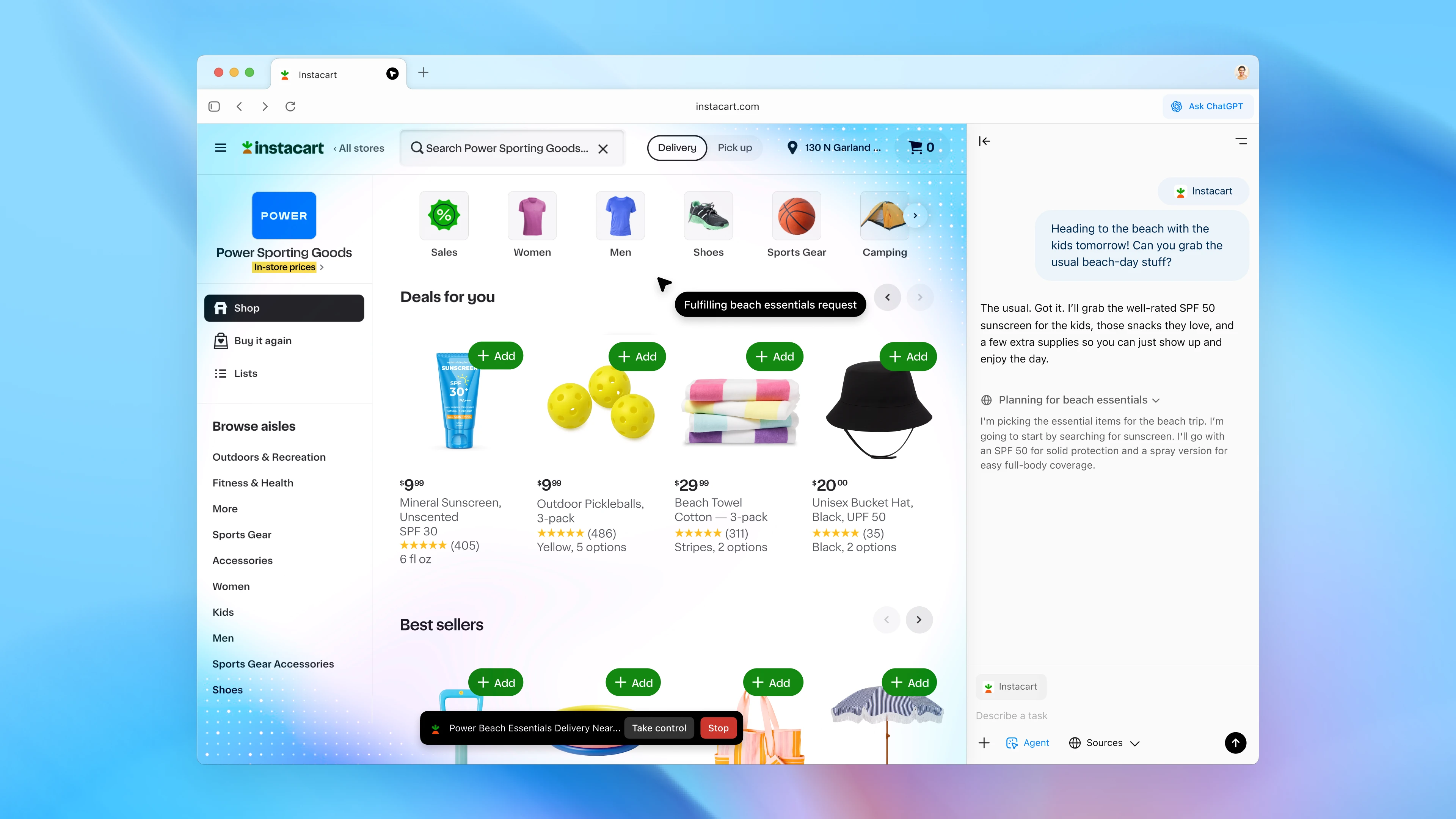
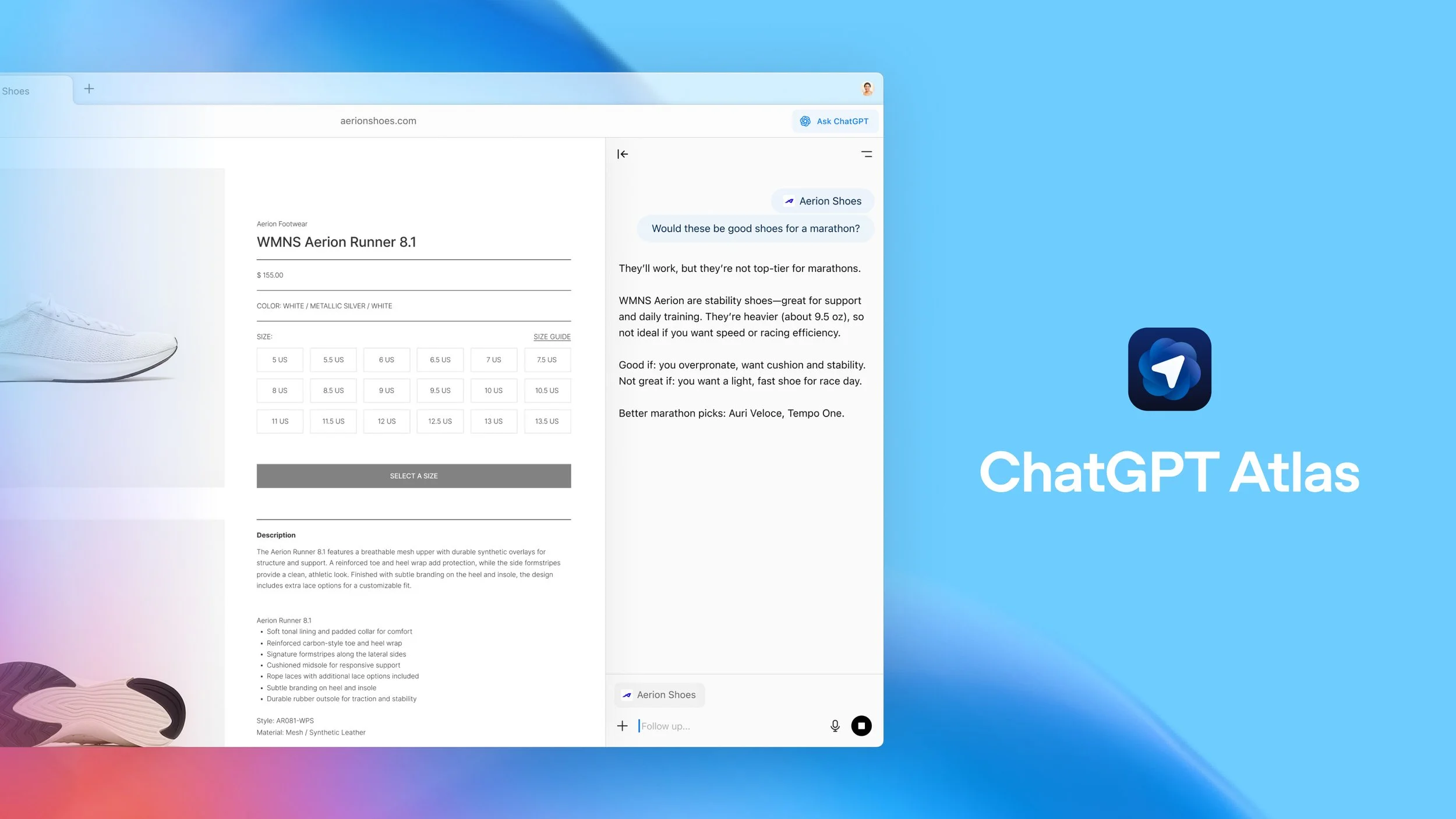

Key capabilities include:
- Summarizing web pages instantly
- Answering questions about on-screen content
- Performing tasks across websites using AI agents
Unlike traditional browsers, Atlas integrates AI directly into the browsing experience, transforming it into an interactive assistant rather than a passive tool.
How the Superapp Could Work in Practice
If successfully implemented, the superapp could blur the lines between multiple categories of software.
A Day in the Superapp
Imagine a user workflow like this:
- Start with a question in ChatGPT
- Open relevant websites through Atlas
- Summarize and extract key insights instantly
- Switch to Codex to build a related application
- Deploy or test code—all within the same environment
This level of integration could significantly reduce friction between tasks.
Potential Benefits for Users
The superapp concept isn’t new—popularized by platforms like WeChat—but applying it to AI productivity tools is a new frontier.
Key advantages:
- Seamless workflows: No need to switch between apps
- Context awareness: AI can retain information across tasks
- Improved efficiency: Faster execution of complex processes
- Unified interface: Easier learning curve for new users
For professionals, developers, and businesses, this could become a central productivity hub.
Challenges and Risks
Despite its promise, the superapp strategy comes with notable challenges.
1. Complexity vs Simplicity
Combining multiple powerful tools into one platform can create:
- Overloaded interfaces
- Steeper learning curves
- Performance bottlenecks
Balancing power with usability will be critical.
2. Security and Privacy Concerns
AI browsers like Atlas have already faced scrutiny over potential vulnerabilities and data handling risks.
Because these tools interact deeply with user activity, concerns include:
- Data exposure
- Prompt injection attacks
- Unauthorized automation
Ensuring strong safeguards will be essential for user trust.
3. Market Expectations
As AI tools become more advanced, user expectations continue to rise.
A superapp must deliver:
- Reliable performance
- Accurate outputs
- Consistent user experience
Any shortcomings could quickly impact adoption.
A Strategic Reset for OpenAI
This move represents more than just a product update—it’s a strategic reset.
Instead of launching multiple independent tools, OpenAI appears to be focusing on:
- Fewer, more powerful products
- Deeper integration
- Higher overall quality
Leadership changes and internal restructuring are also part of this transition, signaling a broader organizational shift toward efficiency and execution.
What This Means for the Future of AI
The superapp concept could reshape how users interact with artificial intelligence.
Rather than treating AI as a separate tool, it becomes:
- A central operating layer for digital tasks
- A continuous assistant across workflows
- A bridge between different types of software
This could mark the beginning of a new phase where AI is no longer an add-on—but the foundation of computing itself.
Final Thoughts
OpenAI’s plan to merge ChatGPT, Codex, and Atlas into a single desktop superapp highlights a growing trend toward consolidation in the AI industry.
As competition intensifies and user expectations evolve, the ability to offer a unified, seamless experience may become a defining factor in success.
While many details remain unclear, one thing is certain: the race to build the ultimate AI workspace is just getting started—and OpenAI is positioning itself at the center of it.