K2’s First High-Powered Satellite Signals a New Era in Space Computing
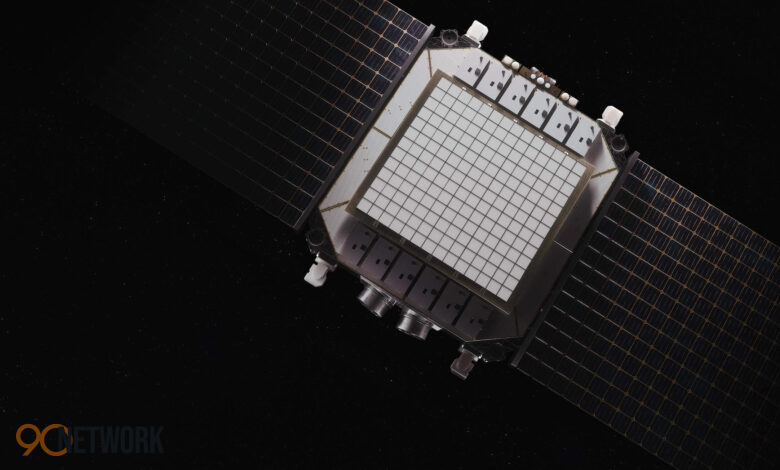
The space industry is entering a transformative phase, and emerging companies are pushing boundaries far beyond traditional satellite applications. One of the most notable developments comes from K2, a company preparing to launch its first high-powered satellite designed specifically for space-based computing.
This ambitious move reflects a broader shift in how satellites are used—not just for communication or observation, but as powerful computing platforms orbiting Earth. If successful, K2’s initiative could redefine how data is processed, transmitted, and utilized across industries.
A New Generation of Satellites
For decades, satellites have played essential roles in telecommunications, navigation, and Earth monitoring. However, they have typically relied on ground-based infrastructure for heavy data processing.
K2 is taking a different approach.
Instead of sending raw data back to Earth for analysis, its upcoming satellite is engineered to process information directly in orbit. This concept, often referred to as “space computing,” aims to reduce latency, increase efficiency, and unlock new possibilities for real-time data applications.
Key capabilities expected from K2’s satellite:
- High-performance onboard computing systems
- Advanced data processing in orbit
- Reduced dependence on ground stations
- Faster decision-making for time-sensitive applications
By embedding powerful computing hardware into the satellite itself, K2 is effectively turning space into an extension of the cloud.
Why Space-Based Computing Matters
The need for faster and more efficient data processing is growing rapidly. Industries such as defense, climate monitoring, telecommunications, and autonomous systems generate massive amounts of data that require immediate analysis.
Traditional satellite systems often face delays because data must be transmitted back to Earth before processing can begin. This creates bottlenecks, especially for applications that demand real-time insights.
K2’s approach addresses this limitation directly.
Benefits of processing data in space:
- Lower latency: Data is analyzed closer to its source
- Reduced bandwidth usage: Only processed insights are transmitted
- Improved efficiency: Less reliance on ground infrastructure
- Enhanced security: Sensitive data can remain in orbit
This shift could have a profound impact on how organizations handle mission-critical information.
The Technology Behind K2’s Satellite
While full technical details remain limited, it’s clear that K2 is focusing on integrating high-performance computing systems into a compact and efficient satellite platform.
This involves several complex engineering challenges:
1. Power Management
High-powered computing requires significant energy. K2 must ensure its satellite can generate and store enough power to sustain operations in space.
2. Thermal Control
Processing data generates heat, which is difficult to dissipate in the vacuum of space. Advanced cooling solutions are essential to maintain system stability.
3. Radiation Protection
Space is filled with radiation that can damage electronic components. The satellite must be equipped with robust shielding and fault-tolerant systems.
4. Data Handling
Efficiently managing large volumes of data onboard requires sophisticated software and hardware integration.
Overcoming these challenges is what makes K2’s mission particularly noteworthy.
A Competitive Space Tech Landscape
K2 is not alone in exploring the potential of space computing. Several companies and organizations are investing heavily in this emerging field.
However, K2’s strategy stands out due to its focus on high-powered processing capabilities from the outset. Rather than incrementally improving existing satellite designs, the company is aiming to leap forward with a purpose-built computing platform.
This bold approach could give K2 an early advantage in a market that is expected to grow significantly in the coming years.
Potential Use Cases Across Industries
The implications of K2’s high-powered satellite extend far beyond the aerospace sector. By enabling real-time data processing in orbit, the technology could benefit a wide range of industries.
Defense and Security
- Rapid analysis of surveillance data
- Improved situational awareness
- Faster response times in critical scenarios
Climate and Environmental Monitoring
- Real-time tracking of natural disasters
- Enhanced climate modeling
- Immediate insights into environmental changes
Telecommunications
- More efficient data routing
- Reduced network congestion
- Improved global connectivity
Autonomous Systems
- Faster decision-making for drones and vehicles
- Reduced reliance on ground-based infrastructure
- Enhanced reliability in remote areas
These applications highlight the transformative potential of space-based computing.
The Role of Edge Computing in Space
K2’s initiative aligns closely with the broader trend of edge computing—the practice of processing data closer to where it is generated.
In many ways, space represents the ultimate edge.
Satellites are already positioned near the source of vast amounts of data, whether from Earth observation sensors or communication networks. By adding powerful computing capabilities, K2 is effectively turning satellites into edge computing nodes in orbit.
This could significantly reduce the need for centralized data centers and reshape the global computing landscape.
Challenges Ahead
Despite its promise, K2’s project is not without risks.
Launching a high-powered computing satellite involves significant technical, financial, and operational challenges. Any failure in hardware, software, or launch execution could delay progress and increase costs.
Key challenges include:
- Ensuring long-term reliability in harsh space conditions
- Managing power and thermal constraints
- Scaling the technology for broader deployment
- Competing with established aerospace companies
Additionally, regulatory considerations and space traffic management will play a role in how quickly such technologies can be adopted.
A Step Toward Space Infrastructure Evolution
K2’s upcoming launch represents more than just a single satellite mission—it signals a shift in how space infrastructure is being developed.
Instead of viewing satellites as passive tools, companies are increasingly treating them as active computing platforms. This evolution could lead to:
- Distributed computing networks in orbit
- Reduced reliance on Earth-based data centers
- New business models centered around space services
As more organizations explore similar concepts, the idea of a “space-based internet of computing” may become a reality.
What This Means for the Future
If K2 succeeds, it could pave the way for a new generation of satellites that do far more than relay signals or capture images.
The ability to process data in space could:
- Accelerate innovation across industries
- Enable new applications that were previously impractical
- Improve the efficiency of global data systems
In the long term, this technology could even support future space exploration missions, where real-time data processing is critical.
Conclusion
K2’s first high-powered satellite marks a significant milestone in the evolution of space technology. By bringing advanced computing capabilities into orbit, the company is challenging traditional approaches and opening the door to new possibilities.
While challenges remain, the potential benefits are substantial. From faster data processing to more efficient global systems, space-based computing could become a cornerstone of the next technological revolution.
As the launch approaches, all eyes will be on K2 to see whether it can deliver on its ambitious vision—and potentially reshape the future of computing in the process.