Amazon Reportedly Developing an Alexa-Centric Smartphone
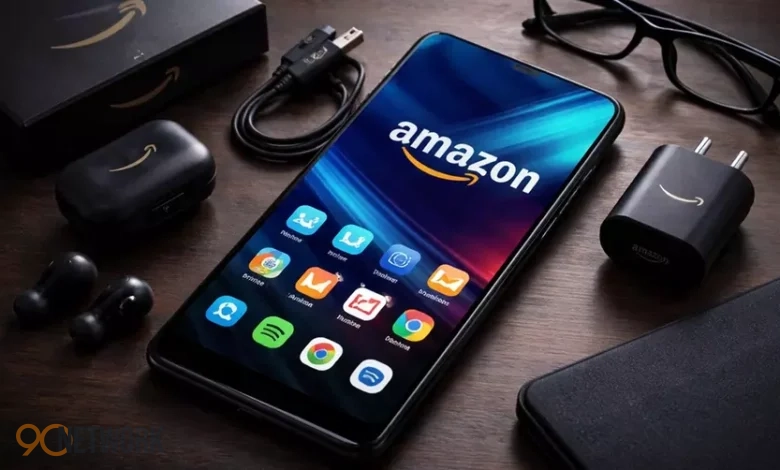
Amazon is once again stepping into the competitive smartphone market, but this time with a significantly different approach. According to recent reports, the company is working on a new smartphone that places Alexa—their voice assistant—at the center of the entire user experience.
This move signals a broader shift in how tech giants are rethinking mobile devices in the age of artificial intelligence. Rather than competing purely on hardware specs, Amazon appears to be betting on deep AI integration, voice-first interactions, and seamless ecosystem connectivity.
A Second Attempt at Smartphones
Amazon’s history with smartphones is brief but notable. Its previous attempt, the Fire Phone, launched in 2014, failed to gain traction and was quickly discontinued. Critics pointed to its high price, limited app ecosystem, and lack of compelling differentiation.
However, the current landscape is very different.
Today, AI assistants have become far more advanced, and voice interfaces are widely used in homes, cars, and wearable devices. Amazon’s Alexa, in particular, has built a strong presence through smart speakers, TVs, and home automation systems.
This new smartphone appears to be Amazon’s attempt to leverage that ecosystem in a much more meaningful way.
Alexa at the Core of the Experience
Unlike traditional smartphones where voice assistants are secondary features, Amazon’s rumored device is expected to put Alexa front and center.
This could fundamentally change how users interact with their phones.
Instead of relying heavily on touch input, users may be encouraged to:
- Navigate apps using voice commands
- Send messages and make calls hands-free
- Control smart home devices directly from the phone
- Receive proactive suggestions based on context and habits
The idea is to make the device feel more like a personal assistant rather than just a communication tool.
A Shift Toward AI-Driven Devices
Amazon’s potential smartphone aligns with a growing industry trend: AI-first hardware.
Major technology companies are increasingly integrating artificial intelligence into their devices, not just as a feature but as a core experience layer.
In Amazon’s case, Alexa could evolve beyond simple commands to offer:
- Context-aware responses
- Personalized recommendations
- Predictive actions based on user behavior
- Deeper integration with services like shopping, streaming, and productivity
This approach could differentiate the device in a crowded market where hardware innovation alone is no longer enough.
Deep Integration with Amazon’s Ecosystem
One of Amazon’s biggest advantages is its vast ecosystem of services and products. A smartphone built around Alexa could act as a central hub connecting all of them.
Potential integrations may include:
- Smart home control: Seamless management of lights, cameras, thermostats, and appliances
- Shopping: Voice-driven purchasing through Amazon’s marketplace
- Entertainment: Instant access to music, video, and audiobooks
- Cloud services: Synchronization with Amazon’s storage and computing platforms
This tight integration could create a highly convenient experience for existing Amazon users, making the smartphone more appealing within its ecosystem.
Hardware Still Matters
While software and AI are expected to take center stage, hardware will still play a crucial role in the device’s success.
To compete effectively, Amazon will likely need to deliver:
- A high-quality display
- Strong battery performance
- Competitive camera capabilities
- Smooth overall performance
However, the company may choose to focus less on premium specifications and more on affordability and functionality, aiming to reach a broader audience.
Challenges Ahead
Entering the smartphone market is no small feat, even for a company as large as Amazon. Several challenges could impact the success of this new device.
1. Intense Competition
The smartphone market is dominated by established players with loyal customer bases and mature ecosystems. Breaking through will require a clear and compelling value proposition.
2. App Ecosystem Limitations
One of the biggest issues with Amazon’s previous phone was its limited app availability. If the new device does not fully support popular apps, it could struggle to attract users.
3. Consumer Habits
Most users are accustomed to touch-based interfaces. Convincing them to adopt a voice-first approach may take time and careful design.
4. Privacy Concerns
A device that relies heavily on voice interaction and AI processing will inevitably raise questions about data privacy and security. Amazon will need to address these concerns transparently.
Why This Time Could Be Different
Despite the challenges, there are several reasons why Amazon’s second attempt might have better chances of success.
AI Is Now Mainstream
When the Fire Phone launched, AI assistants were still in their early stages. Today, users are far more comfortable interacting with voice assistants in everyday life.
Alexa’s Established Presence
Alexa is already integrated into millions of homes worldwide. This familiarity could make users more open to an Alexa-powered smartphone.
Ecosystem Advantage
Amazon’s ecosystem has expanded significantly over the past decade. A smartphone that ties everything together could offer real value.
Focus on Differentiation
Rather than trying to compete directly with traditional smartphones, Amazon appears to be carving out a unique niche centered around AI and voice interaction.
Potential Features to Watch
While official details remain limited, several features could define the new device:
- Always-on Alexa with improved responsiveness
- Advanced voice recognition for multiple users
- Contextual awareness for smarter interactions
- Integration with wearables and smart home devices
- AI-powered suggestions and automation
If executed well, these features could make the smartphone feel more intuitive and personalized than current alternatives.
The Bigger Picture: Reinventing the Smartphone
Amazon’s reported project is part of a broader industry effort to rethink what smartphones should be in the AI era.
For years, smartphones have evolved incrementally—better cameras, faster processors, larger screens. But the core interaction model has remained largely the same.
AI-driven devices could change that by:
- Reducing reliance on manual input
- Automating routine tasks
- Providing more proactive assistance
- Creating a more natural interaction experience
Amazon’s Alexa smartphone could be one of the first major attempts to fully embrace this vision.
What This Means for Consumers
If Amazon successfully delivers on its vision, users could see several benefits:
- Greater convenience: Hands-free control for everyday tasks
- Enhanced productivity: Faster access to information and actions
- Seamless integration: Unified control of multiple services and devices
- Personalization: Experiences tailored to individual preferences
However, adoption will depend on how well the device balances innovation with usability.
Timeline and Expectations
As of now, Amazon has not officially confirmed the smartphone. The project is still in the development stage, and details could change before any potential launch.
If the device does move forward, it may take time before it reaches the market, especially as Amazon refines its approach and addresses potential challenges.
Final Thoughts
Amazon’s rumored Alexa smartphone represents a bold attempt to redefine the mobile experience through artificial intelligence.
Rather than competing head-to-head with traditional smartphones, the company appears to be focusing on a new paradigm—one where voice, context, and AI take precedence over touch and apps.
Whether this strategy succeeds will depend on execution. If Amazon can deliver a device that feels intuitive, useful, and reliable, it could carve out a unique space in the market.
But if it falls short, it risks repeating the mistakes of the past.
Either way, the project highlights an important shift in the tech industry: the future of smartphones may not just be about what you can do with them—but how naturally they can understand and assist you.