ChatGPT E-Commerce Strategy Faces Reality Check as OpenAI Adjusts Its Vision
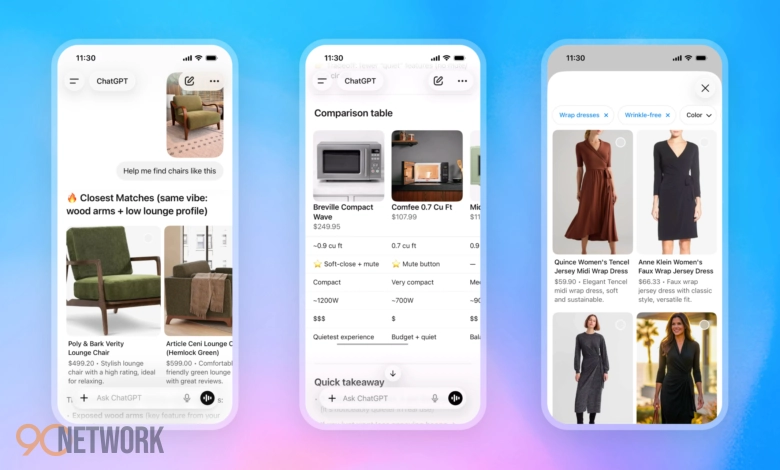
The ChatGPT e-commerce strategy is undergoing a significant shift as OpenAI reassesses how users interact with AI-driven shopping tools. While the company initially aimed to transform ChatGPT into a seamless buying platform, early user behavior has revealed a different reality people prefer guidance over direct purchases.
Instead of forcing transactions inside the chatbot, OpenAI is now pivoting toward a more natural role: helping users discover and evaluate products before completing purchases elsewhere.
Why the ChatGPT E-Commerce Strategy Initially Focused on Checkout
OpenAI’s original ChatGPT e-commerce strategy was built around convenience. The company introduced a feature designed to allow users to browse, compare, and purchase products without ever leaving the chat interface.
This feature, often referred to as Instant Checkout, aimed to:
- Eliminate friction in online shopping
- Keep users engaged داخل the ChatGPT environment
- Compete with established e-commerce platforms
- Offer a faster path from discovery to purchase
The concept mirrored the efficiency of major online marketplaces, where users can complete transactions in just a few clicks.
However, real-world usage told a different story.
What Went Wrong With the ChatGPT E-Commerce Strategy
Despite the ambitious vision, the ChatGPT e-commerce strategy encountered several obstacles that limited adoption.
1. Trust Barriers in AI Transactions
Users trust ChatGPT for information, but purchasing involves sensitive financial data. Many users hesitated to complete transactions within a conversational interface.
2. Shopping Behavior Didn’t Match Expectations
Most users approached ChatGPT as a research assistant, not a checkout tool. They preferred to:
- Ask for recommendations
- Compare products
- Read explanations
But when it came time to buy, they often switched to familiar websites.
3. Limited Merchant Flexibility
Retailers typically want control over branding, promotions, and checkout design. A standardized system inside ChatGPT restricted that flexibility, making it less appealing for businesses.
4. Early Ecosystem Limitations
The infrastructure supporting the ChatGPT e-commerce strategy was still developing. Integration gaps and limited retailer participation reduced the feature’s effectiveness.
ChatGPT E-Commerce Strategy Shifts Toward Product Discovery
After analyzing these challenges, OpenAI is now redefining the ChatGPT e-commerce strategy to prioritize discovery rather than transactions.
This updated approach focuses on:
- Personalized product recommendations
- Clear comparisons between options
- Simplified explanations of features
- Guided decision-making
Instead of completing purchases داخل ChatGPT, users will now be directed to external platforms to finalize transactions.
What This Strategic Shift Means
- Instant Checkout is no longer central to the roadmap
- ChatGPT becomes a shopping assistant, not a marketplace
- Retailers regain control over checkout experiences
- Users maintain trust by completing purchases on familiar platforms
This adjustment aligns more closely with how people already shop online.
How the ChatGPT E-Commerce Strategy Enhances User Experience
The refined ChatGPT e-commerce strategy plays to the strengths of artificial intelligence rather than forcing it into unfamiliar territory.
AI excels at:
- Understanding user intent
- Processing large amounts of product data
- Delivering tailored suggestions
- Explaining complex features in simple language
For example, instead of scrolling through dozens of product pages, users can simply ask ChatGPT for recommendations based on their needs.
This saves time and reduces decision fatigue.
The Role of AI in Modern Online Shopping
The evolution of the ChatGPT e-commerce strategy reflects a broader transformation in digital commerce.
Consumers today face an overwhelming number of choices. AI tools are increasingly stepping in to simplify the process.
Key Benefits of AI in Shopping
- Faster product discovery
- Better-informed decisions
- Personalized recommendations
- Reduced time spent researching
Rather than replacing traditional platforms, AI enhances them.
Competing Approaches to AI Commerce
OpenAI is not the only company experimenting with AI-driven commerce. Different players are exploring various models:
- Fully automated shopping agents
- AI-enhanced search engines
- Personalized recommendation systems
What sets the ChatGPT e-commerce strategy apart is its scale. With hundreds of millions of users, even small behavioral shifts can have a major impact on the market.
However, scale alone cannot override user habits.
Lessons Learned From the ChatGPT E-Commerce Strategy Pivot
OpenAI’s decision to adjust its approach offers valuable insights into the future of AI and commerce.
1. User Trust Is Critical
No matter how advanced the technology, users must feel comfortable before adopting new purchasing methods.
2. AI Works Best as a Guide
The ChatGPT e-commerce strategy shows that AI is more effective in supporting decisions rather than executing transactions.
3. Flexibility Drives Adoption
Retailers need control over their customer experience. Without it, integration becomes less attractive.
4. Behavioral Change Takes Time
Shifting how people shop is not immediate. It requires gradual adaptation and trust-building.
What’s Next for the ChatGPT E-Commerce Strategy?
The future of the ChatGPT e-commerce strategy will likely focus on deeper personalization and smarter integrations.
Potential developments include:
- Context-aware product suggestions
- Integration with retailer platforms
- Improved conversational shopping flows
- Enhanced user preference tracking
These improvements could make ChatGPT a starting point for nearly every online purchase journey.
The Bigger Picture: A Hybrid Shopping Future
The updated ChatGPT e-commerce strategy highlights a broader trend: hybrid shopping experiences.
In this model:
- AI handles discovery and recommendations
- Traditional platforms handle transactions
- Users move seamlessly between both
This combination leverages the strengths of each system without forcing unnecessary change.
Conclusion
The ChatGPT e-commerce strategy is evolving from an ambitious attempt to replace traditional shopping platforms into a more practical and user-friendly approach.
By stepping back from in-chat checkout and focusing on product discovery, OpenAI is aligning its technology with real user behavior.
Rather than becoming an online store, ChatGPT is positioning itself as a powerful shopping assistant one that helps users make smarter, faster decisions in an increasingly complex digital marketplace.