Microsoft Ends Forced Windows Updates With More User Control
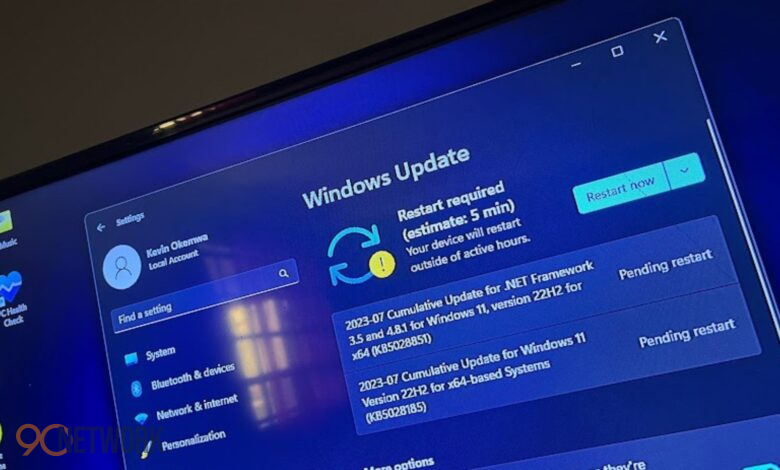
Forced Windows updates are finally being scaled back as Microsoft announces a major change to how updates work in Windows 11. After years of complaints about sudden restarts and unexpected installations, the company is introducing new controls that give users significantly more flexibility—without completely removing automatic updates.
This shift represents one of the biggest changes to Windows update behavior in over a decade.
What Changes With Forced Windows Updates
Microsoft is not eliminating automatic updates entirely, but it is redefining how forced Windows updates work.
Under the new system, users will gain more control over when and how updates are installed.
Key changes include:
- Ability to pause updates for extended or unlimited periods
- No forced restarts while updates are paused
- Option to shut down or reboot without triggering updates
This directly addresses long-standing frustrations from users who experienced sudden interruptions during work or gaming sessions.
Why Microsoft Is Rethinking Forced Windows Updates
The decision to reduce forced Windows updates comes after years of criticism.
Since around 2015, Microsoft enforced automatic updates as a way to improve security and ensure users stayed on the latest version. However, this approach created new problems.
Common complaints included:
- Unexpected system restarts
- Lost work due to forced reboots
- Installation of unwanted features or apps
Over time, these issues damaged user trust and led to widespread calls for change.
Forced Windows Updates vs Automatic Updates
It’s important to understand that forced Windows updates and automatic updates are not the same thing.
Key difference:
- Automatic updates: Updates download and install in the background
- Forced updates: System restarts or installs updates without user consent
Microsoft is keeping automatic updates but reducing the “forced” aspect.
Users will still receive important updates, but with more control over timing and interruptions.
New Flexibility in Windows Update Controls
The updated system introduces a more flexible approach to managing updates.
What users can expect:
- Pause updates for as long as needed
- Install updates manually at a convenient time
- Avoid forced installations during shutdown or restart
Previously, Windows only allowed updates to be paused for a limited time—often up to five weeks. This restriction is now being relaxed.
Monthly Updates Still Remain
Even with reduced forced Windows updates, Microsoft is maintaining a structured update schedule.
Key points:
- Monthly updates will still be required eventually
- Users can delay them, but not ignore them forever
- Faster update options will be available for early adopters
This ensures that security patches and critical fixes continue to reach users.
Performance and Stability Improvements
Alongside changes to forced Windows updates, Microsoft is also promising improvements in system performance.
Planned enhancements include:
- Faster app launch times
- Improved system responsiveness
- Reduced crashes and bugs
- Better memory efficiency
The goal is to make updates feel less disruptive and more beneficial to users.
Easier Setup and Update Experience
Microsoft is also simplifying the setup process for new devices.
New improvements:
- Option to skip updates during initial setup
- Faster access to the desktop
- Reduced setup time
This change addresses complaints about long installation processes when setting up a new PC.
Why Forced Updates Won’t Fully Disappear
Despite these improvements, Microsoft is not completely removing forced Windows updates.
There are important reasons for this:
Security concerns:
- Updates protect against malware and cyber threats
- Outdated systems are more vulnerable to attacks
- Consistent updates ensure compatibility
Microsoft still needs to balance user control with system security.
What This Means for Windows Users
For everyday users, this change could significantly improve the Windows experience.
Benefits include:
- More control over system behavior
- Fewer interruptions during important tasks
- Better overall user satisfaction
At the same time, users will need to take more responsibility for keeping their systems updated.
A Major Shift in Microsoft’s Strategy
This move signals a broader change in how Microsoft approaches Windows updates.
Instead of enforcing strict control, the company is now focusing on:
- User feedback
- Flexibility and customization
- Improved transparency
This could help rebuild trust after years of criticism حول update policies.
The Future of Forced Windows Updates
The reduction of forced Windows updates may shape future versions of Windows.
Possible long-term outcomes include:
- Smarter update scheduling based on user behavior
- More customization options
- Better balance between automation and control
As Windows continues to evolve, updates are likely to become less intrusive and more user-friendly.
Final Thoughts
Forced Windows updates have long been one of the most controversial aspects of Microsoft’s operating system. By giving users more control while maintaining automatic updates, Microsoft is attempting to strike a better balance between convenience and security.
If implemented successfully, this change could significantly improve how users experience Windows—making updates less of a disruption and more of a background process.