Meta Plans to End Horizon Worlds VR Access: What It Means for the Metaverse
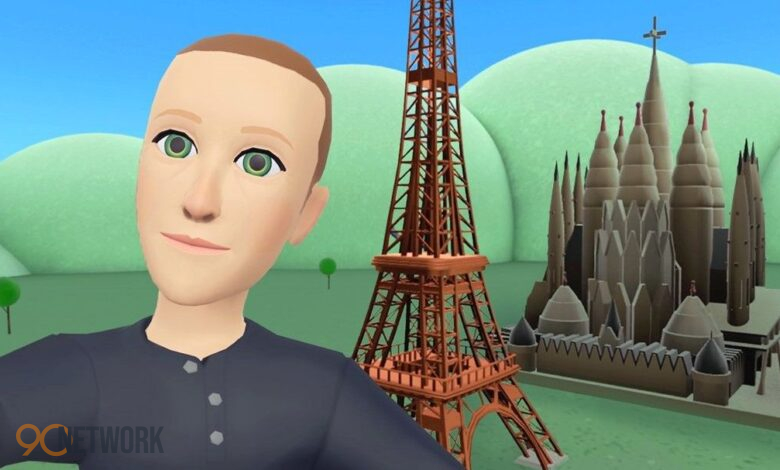
Meta is making a notable adjustment to its virtual reality strategy by discontinuing VR access to Horizon Worlds. The move, expected to take effect in June, reflects broader changes in how the company approaches its metaverse ambitions and user engagement.
While Meta remains deeply invested in immersive technologies, this decision signals a recalibration rather than a retreat. For users and developers who have spent time building experiences in Horizon Worlds, the update raises important questions about the platform’s future—and the direction of VR social spaces as a whole.
A Strategic Shift in Meta’s VR Ecosystem
Horizon Worlds has long been positioned as Meta’s flagship social VR platform. Designed as a digital environment where users could interact, build, and explore virtual spaces together, it represented a central pillar of the company’s metaverse vision.
However, Meta’s decision to phase out VR access suggests that the company is rethinking how users engage with these virtual worlds.
Instead of focusing heavily on VR headsets alone, Meta appears to be prioritizing broader accessibility. This includes making experiences available across devices, rather than limiting them to immersive hardware.
Key takeaways from the shift:
- VR-only experiences may be losing priority
- Cross-platform access is becoming more important
- Meta is refining its long-term metaverse strategy
This change aligns with industry trends, where companies are exploring ways to reach larger audiences without requiring specialized hardware.
Why Horizon Worlds Struggled to Gain Traction
Despite its ambitious goals, Horizon Worlds never achieved the widespread adoption Meta had hoped for. Several factors contributed to this outcome.
1. Limited User Engagement
Although the platform attracted early interest, maintaining active users proved challenging. Many users tried Horizon Worlds briefly but did not return regularly.
2. Hardware Barriers
Access required a compatible VR headset, which limited the audience. Even as VR adoption grows, it remains a niche compared to smartphones or PCs.
3. Content Limitations
User-generated environments were a core feature, but the overall quality and variety of content did not consistently meet expectations.
4. Competition from Other Platforms
Other digital platforms—especially those that don’t require VR—continue to dominate social interaction and virtual experiences.
What Happens in June?
When VR access to Horizon Worlds ends in June, users will no longer be able to enter the platform through VR headsets.
However, this does not necessarily mean the complete shutdown of Horizon Worlds as a product.
Instead, Meta is expected to:
- Maintain or expand non-VR access options
- Shift focus toward mobile or web-based experiences
- Continue experimenting with social and immersive features
This suggests that Horizon Worlds may evolve rather than disappear entirely.
The Bigger Picture: Meta’s Metaverse Vision
Meta has invested billions into building the metaverse, betting on a future where digital and physical worlds blend seamlessly.
But the company has also faced:
- Slower-than-expected adoption
- High development costs
- Mixed public reception
The decision to scale back VR access in Horizon Worlds reflects a more pragmatic approach.
A Move Toward Flexibility
Instead of pushing users into fully immersive environments, Meta appears to be:
- Lowering entry barriers
- Testing new formats
- Adapting to user behavior
This shift could make metaverse experiences more accessible to everyday users.
Industry Implications
Meta’s decision is not happening in isolation. It reflects broader trends across the tech industry.
1. Rethinking VR’s Role
While VR remains important, companies are recognizing that it may not be the primary gateway to digital experiences—at least not yet.
2. Rise of Hybrid Experiences
Platforms that blend traditional screens with immersive elements are gaining traction.
3. Focus on User Accessibility
Ease of access is becoming a top priority. Platforms that require minimal setup tend to attract larger audiences.
What This Means for Developers
For creators who built experiences in Horizon Worlds, this change introduces both uncertainty and opportunity.
Challenges:
- Potential loss of VR-specific audiences
- Need to adapt content for different platforms
Opportunities:
- Reach broader audiences beyond VR users
- Explore new formats and interaction styles
Developers who can pivot quickly may benefit from Meta’s evolving ecosystem.
User Reactions and Expectations
The response from users has been mixed.
Some see the move as a setback for VR social spaces, while others view it as a necessary step toward more practical solutions.
Common user sentiments include:
- Frustration over changing platform priorities
- Curiosity about what comes next
- Hope for improved accessibility and usability
Ultimately, user experience will determine whether Meta’s new direction succeeds.
The Future of Horizon Worlds
While VR access is being phased out, Horizon Worlds could still play a role in Meta’s ecosystem.
Possible future directions include:
- Expansion into mobile platforms
- Integration with other Meta services
- Enhanced social features without VR dependency
This evolution could redefine what Horizon Worlds represents—not just as a VR space, but as a broader social platform.
Is This the End of the Metaverse Dream?
Not quite.
Meta continues to invest heavily in immersive technologies, including VR and augmented reality. However, the company is clearly adjusting its expectations and approach.
Rather than forcing adoption, Meta is:
- Listening to user behavior
- Experimenting with new models
- Gradually building toward long-term goals
This more measured strategy may ultimately prove more sustainable.
Final Thoughts
Meta’s decision to shut down VR access to Horizon Worlds marks an important moment in the evolution of the metaverse.
It highlights the challenges of building entirely new digital ecosystems while also emphasizing the need for flexibility and user-centric design.
As the company refines its strategy, one thing is clear: the future of virtual experiences will likely be more accessible, more adaptable, and less dependent on specialized hardware.
For users, developers, and the tech industry as a whole, this transition offers valuable insights into where immersive technology is headed next.