RTX 5090 Return Scam Raises Alarm in Online Resale Market
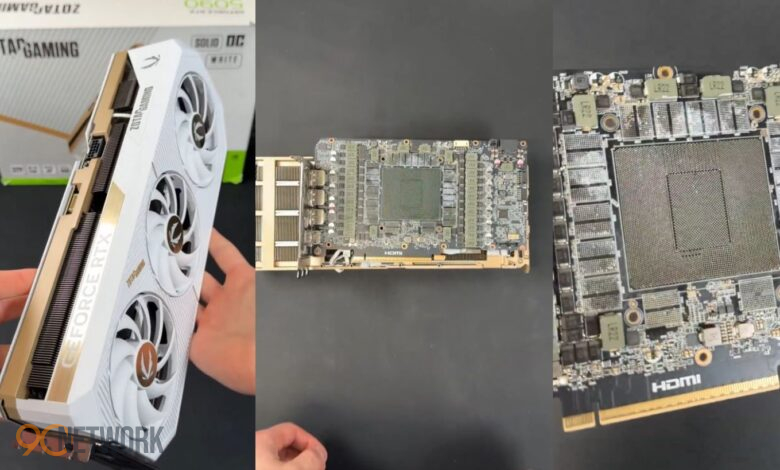
The booming market for high-end graphics cards has brought not only massive demand but also new risks for online sellers. A recent incident involving a returned NVIDIA GeForce RTX 5090 has highlighted a growing concern: sophisticated return fraud targeting expensive hardware.
In what appears to be a calculated scam, an eBay reseller reportedly received back a graphics card that had been stripped of its most valuable components—the GPU die and VRAM chips. The case is now drawing attention from the tech community, resellers, and online marketplaces alike.
A Costly Surprise for the Seller
Selling premium GPUs online is already a high-stakes endeavor. With prices often reaching well into the thousands, even a single fraudulent transaction can result in significant losses.
In this case, the seller initially shipped a fully functional RTX 5090 to a buyer. However, after the buyer initiated a return, the product that came back was far from what had been sent.
Upon inspection, the seller discovered:
- The GPU core had been physically removed
- VRAM modules were missing
- The card was essentially rendered useless
What remained was a shell of the original product, stripped of its most valuable parts.
This type of tampering requires technical skill, suggesting that the individual responsible had experience handling high-end PC hardware.
How the Scam Likely Worked
While details are still emerging, the mechanics of the scam appear relatively straightforward—but disturbingly effective.
A typical sequence may look like this:
- A buyer purchases a high-value GPU
- After receiving it, they carefully disassemble the card
- Key components such as the GPU chip and memory modules are removed
- The altered card is returned under a standard refund request
- The seller receives a damaged or incomplete product
Because many platforms prioritize buyer protection, sellers can find themselves at a disadvantage when disputes arise.
Why High-End GPUs Are Prime Targets
Modern graphics cards like the RTX 5090 are especially attractive targets for fraud. Several factors contribute to this:
High resale value
Individual components like GPU dies and memory chips can be reused or resold.
Strong demand
Top-tier GPUs remain in high demand among gamers, AI developers, and crypto enthusiasts.
Complex construction
Most buyers—and even some sellers—may not immediately detect internal tampering.
Easy return policies
Flexible return systems, while consumer-friendly, can be exploited.
The Growing Problem of Return Fraud
This incident is not isolated. Return fraud has been steadily increasing across online marketplaces, particularly in categories involving expensive electronics.
Common forms of return fraud include:
- Item swapping: Returning a different or damaged product
- Component removal: Stripping valuable parts before return
- Empty box returns: Sending back packaging without the product
- False claims: Reporting defects that never existed
For sellers, these scenarios can be financially devastating.
Challenges Sellers Face
Online platforms often emphasize customer satisfaction, which can unintentionally leave sellers vulnerable.
Some of the main challenges include:
- Difficulty proving tampering occurred after delivery
- Limited seller protection policies
- Time-consuming dispute processes
- Risk of account penalties if disputes escalate
Even with evidence, resolving such cases is not always straightforward.
How Sellers Can Protect Themselves
While no system is foolproof, sellers can take several precautions to reduce risk:
Document everything
- Record serial numbers
- Take high-resolution photos before shipping
- Capture videos showing the product’s condition
Use tamper-evident measures
- Apply seals or stickers that indicate if the product has been opened
Require signature confirmation
- Ensure delivery is verified and documented
Avoid high-risk buyers
- Check buyer feedback and transaction history
Consider insurance
- Insure high-value shipments to mitigate losses
These steps may not prevent every scam, but they can strengthen a seller’s case during disputes.
What This Means for Buyers
While the focus is often on seller losses, incidents like this can also affect legitimate buyers.
Potential consequences include:
- Increased prices as sellers offset risks
- Stricter return policies
- Reduced availability of high-end hardware
In the long run, widespread fraud can erode trust across the entire marketplace.
The Role of Online Platforms
Marketplaces like eBay play a critical role in maintaining fairness between buyers and sellers. Incidents like the RTX 5090 return scam raise important questions:
- Are current policies sufficient to protect sellers?
- Should high-value items have stricter return verification?
- Can AI or advanced tracking help detect fraud?
Improving these systems is essential to maintaining a healthy online ecosystem.
A Wake-Up Call for the Tech Community
The RTX 5090 case serves as a stark reminder that even cutting-edge technology is not immune to old-fashioned fraud tactics.
For tech enthusiasts, resellers, and businesses alike, vigilance is more important than ever.
As graphics cards continue to grow in value and complexity, so too will the methods used by bad actors. Staying informed and adopting preventative measures can make a significant difference.
Final Thoughts
The alleged RTX 5090 return scam highlights a critical issue in the digital marketplace: trust.
While online platforms have made buying and selling easier than ever, they also introduce new vulnerabilities. For sellers dealing in high-value hardware, a single fraudulent return can result in substantial losses.
Moving forward, both individuals and platforms must adapt. Better safeguards, clearer policies, and increased awareness will be key to preventing similar incidents in the future.